


You’ll see your chances of acceptance
We’ll show you the percentage chance of being accepted for each credit card deal depending on your current financial status.
Get answers in seconds with our AI chatbot
Take a look at our best cards, for each of the main types of credit cards. Updated daily.
M&S
Purchase Plus Credit Card
Representative example: If you spend £1,200.00 at a purchase rate of 24.9% (variable) p.a. your representative APR is 24.9% (variable)
Great for
But be aware that
HSBC
Purchase Plus Credit Card
Representative example: If you spend £1,200.00 at a purchase rate of 24.9% (variable) p.a. your representative APR is 24.9% (variable)
Great for
But be aware that
Tesco Bank
Purchase Credit Card
Representative example: If you spend £1,200.00 at a purchase rate of 26.9% (variable) p.a. your representative APR is 26.9% (variable)
Great for
But be aware that
Virgin Money
All Round Credit Card
Representative example: If you spend £1,200.00 at a purchase rate of 24.9% (variable) p.a. your representative APR is 24.9% (variable)
Great for
But be aware that
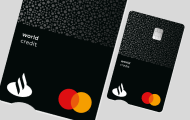
Santander
All in One Credit Card
Representative example: If you spend £1,200.00 at a purchase rate of 23.9% (variable) p.a. your representative APR is 29.8% (variable)
Great for
But be aware that
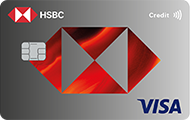
HSBC
Balance Transfer Credit Card
Representative example: If you spend £1,200.00 at a purchase rate of 25.9% (variable) p.a. your representative APR is 25.9% (variable)
But be aware that
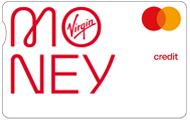
Virgin Money
36 month Balance Transfer Credit Card
Representative example: If you spend £1,200.00 at a purchase rate of 24.9% (variable) p.a. your representative APR is 24.9% (variable)
Great for
But be aware that
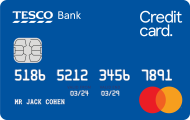
Tesco Bank
Balance Transfer Credit Card
Representative example: If you spend £1,200.00 at a purchase rate of 24.94% (variable) p.a. your representative APR is 24.9% (variable)
Great for
But be aware that
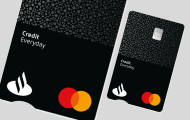
Santander
Everyday Long Term Balance Transfer Credit Card
Representative example: If you spend £1,200.00 at a purchase rate of 24.9% (variable) p.a. your representative APR is 24.9% (variable)
Great for
But be aware that
Earn rewards points every time you shop and they'll be converted to M&S vouchers for you to spend. These turn into Rewards vouchers up to 4 times a year, which are either sent to you or are available in your M&S Sparks account. T&Cs apply
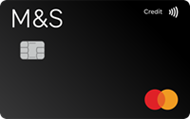
M&S
Transfer Plus Offer Credit Card
Representative example: If you spend £1,200.00 at a purchase rate of 24.9% (variable) p.a. your representative APR is 24.9% (variable)
Great for
But be aware that
Earn rewards points every time you shop and they'll be converted to M&S vouchers for you to spend. These turn into Rewards vouchers up to 4 times a year, which are either sent to you or are available in your M&S Sparks account. T&Cs apply
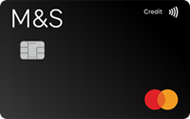
M&S
Rewards Credit Card
Representative example: If you spend £1,200.00 at a purchase rate of 23.9% (variable) p.a. your representative APR is 23.9% (variable)
Great for
But be aware that
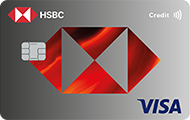
HSBC
Purchase Plus Credit Card
Representative example: If you spend £1,200.00 at a purchase rate of 24.9% (variable) p.a. your representative APR is 24.9% (variable)
Great for
But be aware that
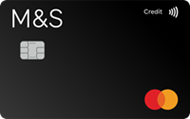
M&S
Purchase Plus Credit Card
Representative example: If you spend £1,200.00 at a purchase rate of 24.9% (variable) p.a. your representative APR is 24.9% (variable)
Great for
But be aware that
Earn 5x points per £1 when you pay your rent or mortgage with Yonder's Premium Credit Card until Dec 31st. 1x point per £1 thereafter up to 2,000 points. 5x offer on mortgage and rent applies to new customers only. T&Cs apply

Yonder
Yonder Premium - Lifestyle, Travel and Dining Rewards Credit Card
Foreign Purchase Fee
0% EU Countries, 0% Worldwide
Rewards
Points, Cashback, Entertainment, Shopping
Representative example: If you spend £1,200.00 at a purchase rate of 28.67% (variable) p.a. your representative APR is 73.1% (variable)
Great for
But be aware that
Santander
All in One Credit Card
Representative example: If you spend £1,200.00 at a purchase rate of 23.9% (variable) p.a. your representative APR is 29.8% (variable)
Great for
But be aware that
Virgin Money Cashback - Earn up to 15% Cashback at selected top retailers. Available to all Virgin Money Credit Card customers. T&C’s apply.
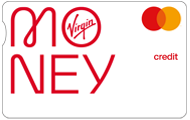
Virgin Money
Travel Credit Card
Representative example: If you spend £1,200.00 at a purchase rate of 24.9% (variable) p.a. your representative APR is 24.9% (variable)
Great for
But be aware that
Virgin Money
All Round Credit Card
Representative example: If you spend £1,200.00 at a purchase rate of 24.9% (variable) p.a. your representative APR is 24.9% (variable)
Great for
But be aware that
Santander
All in One Credit Card
Representative example: If you spend £1,200.00 at a purchase rate of 23.9% (variable) p.a. your representative APR is 29.8% (variable)
Great for
But be aware that

HSBC
Purchase Plus Credit Card
Representative example: If you spend £1,200.00 at a purchase rate of 27.9% (variable) p.a. your representative APR is 27.9% (variable)
But be aware that
With a Tesco Bank Credit Card, you’re guaranteed to get the promotional rate and APR shown if you are accepted. Just make sure the information you have provided is accurate
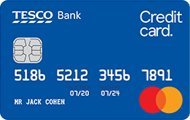
Tesco Bank
All Round Credit Card
Representative example: If you spend £1,200.00 at a purchase rate of 26.94% (variable) p.a. your representative APR is 26.9% (variable)
Great for
But be aware that
Earn rewards points every time you shop and they'll be converted to M&S vouchers for you to spend. These turn into Rewards vouchers up to 4 times a year, which are either sent to you or are available in your M&S Sparks account. T&Cs apply
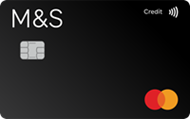
M&S
Rewards Credit Card
Representative example: If you spend £1,200.00 at a purchase rate of 23.9% (variable) p.a. your representative APR is 23.9% (variable)
Great for
But be aware that
Shopping around is always important, especially when it comes to credit cards. We help you compare deals from leading providers across the market so you can be confident to pick the best deal for your needs.






We’ll show you the percentage chance of being accepted for each credit card deal depending on your current financial status.

When you compare with us, we carry out a 'soft search' which won't leave a mark on your credit file. We also show you cards you're likely to be accepted for to ease any fears of rejection.

Whatever type of credit card you need, we’ll present you a wide selection from the biggest and most trusted names in the market
for MoneySuperMarket users searching for credit cards for interest free spending.
year olds
per year

Balance transfer cards were the most compared type of credit card, helping users manage existing credit card debt.

Purchase cards were the second most compared, especially ones with longer 0% purchase periods.

The most common 0% period for users was 36 months.

44% of declined credit card applications happen because the applicant fails the lender's credit risk assessment.
Why? Low credit score, adverse credit history, high credit utilisation, missed payments, excessive borrowing.
4% of credit card application declines happen because the applicant fails eligibility or pre-screening criteria.
Why? Low credit score, missed debt repayments, defaults, CCJs, IVAs, bankruptcy, debt management plans, low income, debts, unstable employment, or residence status.
8% of declined credit card applications are due to the applicant already having submitted an application.
Why? Because of the previous application, the applicant is declined under duplicate application rules.
32% of credit card application declines happen because the lender deems the applicant to have insufficient capacity for additional credit.
Why? Existing debts and financial commitments.
A credit card lets you borrow money to purchase goods and services, with the understanding that you’ll repay the card issuer at a later date.
If you don’t pay the balance in full within the set period, interest is usually added to the amount you owe.
However, some cards offer a 0% interest period for new customers during the first few months to encourage sign-ups.
As well as using them for everyday spending, credit cards have other benefits. They can be used to consolidate debts, earn rewards and cashback and even boost your credit rating, which can help with future borrowing. Read our guide to credit cards for more information.
Apply for a credit card: You’ll be asked for personal details, such as your name and address, when you apply. You should also expect questions about your financial situation, such as your employment status and salary.
Get your credit card: Once you’ve been approved for a credit card, you’ll receive it shortly. You will have a credit limit, which is the maximum amount of money you can borrow. According to MoneySuperMarket data, the average credit limit for people searching through us is £2000[7] .
Make credit card repayments: You’ll receive your bill every month and it’ll show you the balance you owe. It’s important to make payments on time and, if possible, you should aim to pay off your card in full.
1. Decide which type of credit card you want: Looking for a credit card to build your credit rating? Or perhaps you want to spread the cost of a big-ticket purchase with a purchase credit card? Either way, you’re likely to be asked what you’ll use the credit card for when you apply.
2. Provide any information asked for: Lenders will ask for some of your personal details, including your salary so you can prove you’ll be able to repay what you owe.
3. See your eligibility: When you compare credit cards with us, you’ll be shown your chances of being accepted for the card so you can apply with confidence.
4. Choose the card: You’ll need to pick which lender and card you want – different lenders offer different deals and interest rates, depending on your financial circumstances.
5. You’ll receive your card: Once you’re accepted for the credit card, you should receive your card quickly.

Not every credit card will suit every person’s needs – and some are quite niche, so choose the best based on what you need it for, from consolidating debt, to getting rewarded when you spend or making interest-free purchases.
Switch an existing card balance to a lower rate or 0% interest balance transfer card to clear your debts more quickly. The best cards offer 0% interest for more than two and a half years. There will usually be a balance transfer fee.
You’ll start with a low credit limit. But with careful use you can build up your credit score – and credit limit - over time. Improving this can help with other credit applications in the future, such as for a loan or mortgage.
Earn loyalty points or Air Miles with purchases you make using the card. Can suit those who spend a lot on their card but always clear the balance in full each month, as interest rates can be high.
Allows you to consolidate other debts and pay a lower interest rate. Typically they are used to transfer cash to a current account so you can pay off an overdraft. Transfer fees usually apply.
Offers a low or 0% interest period on what you buy for an extended offer period. This time period will vary depending on the deal, but it could be up to two years – great if you need to make a big purchase.
Gives you a percentage back in on certain purchases made on the card. Suits spenders who know they can clear their card balance every month as interest rates can be high. There may be an annual fee but cashback can be generous.
A combined card for those who have an existing card balance to switch to a lower or 0% rate, but who also need to spend on the card. The best deals offer 0% interest on transfers and new spending for a time.
These are ideal for taking abroad because the fees and charges for overseas use are much lower than those on standard credit cards. You should also get competitive exchange rates.
Use our calculator to find out when your balance will be cleared, and also see how much you could save with a 0% balance transfer card.
See how much it will cost to pay off your credit card, and how long will it take
This rate of interest determines how much it costs for you to borrow on the credit card.
You should be able to find it on your statement, usually in a summary box on the back. Unless you have changed cards recently, it's likely to be between about 14.9% and 29.9%.
If you can't find it, get in touch with your card provider - they will be able to tell you simply and quickly.
Enter the size of the payment you typically make each month.
If you aren't sure, look back at your last three statements to see how much you paid on those.
Please enter a valid number
You'll need to repay more each month to pay off the card within the next 20 years
Total amount
‐
Switching to a 0% balance transfer card could save you £200. Play with the filters below to match your circumstance and find out how much you can save.
| Current | Switching | |
|---|---|---|
| Monthly cost | ‐ | ‐ |
| Last installment | ‐ | ‐ |
| Interest cost & fees | ‐ | ‐ |
| What you save | ‐ | ‐ |
* If you do not pay off your balance within the promotional period, you will then be charged interest. For calculation purposes, we've used the interest rate you entered above.
Compare balance transfer cards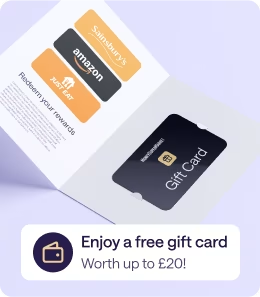
We’ll reward you every time you make a purchase. Exchange your earnings for a gift card for Amazon.co.uk[9], Sainsbury’s & more

A year's worth of free experiences across the UK. From London Zoo and Go Ape, and English Heritage, there’s an adventure for everybody. Worth £180[10].
Whether you're buying clothing, homewares or takeaways, earn up to 10%[8]cashback from brands like Just Eat, eBay & Argos.

You and your friends each get up to £20 when they join the Club and make a qualifying purchase. Win-Win!
You only pay interest on a credit card if you don’t clear your balance in full each month. By paying off your statement balance in full and on time every month, you’ll never pay interest - helping you manage your money effectively and even improving your credit score.
If you’re unsure whether you can pay off your balance in full each month, consider an interest free credit card.
These cards offer an introductory 0% interest period, lasting up to 26[3] months.
However, once this period ends, any remaining balance will start accruing interest - so it’s important to plan repayments accordingly.
With so many types of credit card to choose from it can be tricky to decide which might be best for you. Luckily, there are few simple rules you can follow to make sure you pick the right card for your needs:
With a balance transfer credit card you can consolidate debts: for a small fee, you transfer all your existing debt onto the new card, which will come with a hefty period of low or even zero interest.
If you have a poor credit rating for whatever reason, there are cards that can strengthen your score. With MoneySuperMarket, you can compare credit cards for bad credit, where you could still get a card even with bad credit.
Credit cards can be handy for day-to-day spending or spreading out the cost of a larger item - or maybe a big purchase like a holiday. Many cards give you 0% interest on any purchase made within three months or so, saving you the usual cost of borrowing – provided you stick to making your repayments on time.
There are many types of credit card that offer rewards on your spending. Frequent flyers can benefit from airline credit cards which give you travel-related rewards. Savvy shoppers can also take advantage of cashback which rewards you when you buy.
One of the biggest advantages of using a credit card responsibly is the ability to earn rewards and cashback on your everyday spending.
Cashback: Earn a percentage of your purchases back as cash, which can be applied to your balance or redeemed as rewards.
Points and miles: Collect points or travel miles that can be exchanged for flights, hotels, merchandise, or experiences.
Bonus categories: Many cards offer higher rewards for specific spending areas like dining, groceries, or fuel.
Sign-up bonuses & perks: New cardholders often get welcome bonuses, along with extra benefits like travel insurance or purchase protection.
By choosing a credit card that aligns with your lifestyle and spending habits, you can maximise these benefits.

A 0% purchase credit card is useful for funding big-ticket purchases and affords you time to pay them off without accruing interest
Used responsibly, a credit card can be a good way of improving your credit score
Some cards come with potentially money-saving sweeteners, such as travel perks or cashback
Section 75 applies to credit cards and covers you if a purchase you make is faulty or doesn’t arrive
Credit cards are so convenient and easy to use, it can be tempting to overspend and rack up debt
Some card providers charge high fees for missing payments. While others levy annual fees to qualify for rewards
Credit cards usually have variable rates, which means your repayments could rise and make it more costly to service your debt
There are certain credit cards for bad credit which are specifically designed to boost the scores of people who’ve struggled with debt in the past, or people who don’t have much credit history at all (either because they’re young, or because they’ve just moved to the UK).
How they work: You’re offered a low credit limit and a high APR, but if you make regular small purchases and pay the balance off in full every month, your credit score will begin to improve after a few months – allowing you to qualify for better credit cards or other borrowing products.
Representative 34.9% APR
When you apply for a credit card, the bank of building society will use your credit rating to decide whether to accept you, and what rates to offer you. Find out where you stand with our free Credit Score tool.
How can I see my credit report for free?
You can request a free copy of your credit report from any of the three main credit reference agencies. They may hold slightly different information, so it can be useful to check more than one report. If you spot an error, contact them and ask for it to be corrected.

Used responsibly, a credit card can be a useful money management tool. But with such a range of credit cards designed for different circumstances, it’s important to be clear about what you want yours to do for you. That’s why it’s a good idea to shop around and compare before applying. What’s more, when interest rates are high, as is the case right now, comparing can help you find an affordable new credit card that really works for you.
Kara Gammell Personal Finance & Insurance Expert
Comparing credit cards couldn’t be easier with MoneySuperMarket. Our eligibility checker tool will show you the cards you’re most likely to be approved for – and we'll protect your credit using a soft search.

We'll ask you a handful of simple questions about you and your financial circumstances, and what you need from a credit card
We'll sift through dozens of offers from across the market, and show you the cards we think will suit you best
You'll be shown a range of cards, which you'll be able to sort according to APR, features and your chances of being approved




When you take out a credit card from a selected provider, you’ll be eligible for SuperSaveClub rewards. At the moment, not all providers are part of our rewards programme. When you search for a credit card with us, you’ll be able to see which providers are part of the programme, as the cards that come with a SuperSaveClub reward will be highlighted in your results.
The providers who are currently signed up to SuperSaveClub are:
Aqua
BIP
Capital One
Fluid
Halifax
HSBC
John Lewis Finance
Lloyds
Marbles
MBNA
Natwest Bank
Ocean Finance
Post Office
Santander
Vanquis
Yonder
Zable
Zopa
APR stands for Annual Percentage Rate and it represents how much it’ll cost to borrow money on a particular credit card. It’s calculated by taking into account:
Your interest rate
Additional fees and charges.
However, you might see the term ‘representative APR’ on adverts for credit cards – this means that the interest rate quoted only has to be offered to at least 51% of successful applicants, so it may not be the actual rate you get when you apply.
When deciding which credit card to apply for, first consider what you want to use the credit card for – cards come with different features that are useful for different purposes.
If you have a large purchase coming up, you might want to spread the cost with a 0% purchase card, if you fly a lot you might want an airmiles card, and if you want to transfer a balance to avoid interest payments, a balance transfer card could be ideal.
By comparing with us you’ll be able to see a list of credit cards, so you can browse at will and choose which one suits you best.
You usually have 14 days to withdraw from a credit agreement without giving a reason. The 14-day period starts on the day after the latest of: when you enter into the agreement, when you’re told your credit limit, or when you receive a copy of the agreement.
To withdraw, contact your lender using the details in your agreement. If you have borrowed money on the card, you’ll need to repay the balance and any interest due within 30 days of giving notice that you want to withdraw.
If you want to cancel your card after the withdrawal period, contact your lender. You will usually need to clear the balance first.
If you miss a repayment on your credit card balance, you likely have to pay a penalty fee. What’s more, if you have any type of promotional offer with your card, such as an interest-free deal, this may be cancelled, and a missed payment may have a negative effect on your credit score.
If your credit card application is rejected, the lender may record a hard search on your credit report. Avoid making several more full applications straight away, as this could affect how other lenders view your application.
You can still browse and compare credit cards without affecting your credit score. Checking your eligibility with MoneySuperMarket uses a soft search, which is not visible to other lenders and will not affect your credit score.
Unlike many loans and mortgages, you generally won’t be charged for making early repayments on your credit card – which means it’s a good way to get ahead of your balance.
You can’t get joint credit cards in the same way as bank accounts and mortgages, but you can add additional users to your own credit cards. However, you should remember that it’s still the primary cardholder’s responsibility to pay off the balance.
You can cancel your credit card by contacting your lender, by phone, email, online, post, or in person if they have a local branch.
In most cases your provider will set your credit limit after you’ve been accepted. So you will not be able to ‘apply’ or request a certain spending limit. Your credit limit will be based on your income, financial circumstances and your credit score as well as the individual policy of the card provider. Card issuers will want to be satisfied that the limit is affordable for you. You’ll be told what it is once your application is approved and your account is open.
Whether you’ll be eligible for a credit card depends on your personal circumstances, including your income, age, financial history and credit score. Each lender has its own criteria, so being accepted for one card does not guarantee you’ll be accepted for another.
Before you apply, you can use our eligibility checker to see which cards you’re more likely to be accepted for. It uses a soft search, so checking your eligibility will not affect your credit score.
If your application is refused, avoid making several more applications straight away, as each full application may leave a hard search on your credit report.
You can ask the lender whether it can explain why you were refused. If you think the decision was based on incorrect information, ask the lender to review it and check your credit report for errors.
Before applying again, use an eligibility checker to see which cards you’re more likely to be accepted for. This uses a soft search, so it will not affect your credit score.
You can overpay on your credit card and that happens when you pay back more than you owe on your balance. When you do this, you’ve cleared your balance, but you’ve gone a step further and your card issuer now owes you money.
Yes, you can have multiple credit cards but keep in mind that if you’re struggling with one credit card it’s best not to get any more.
Personal loans offer a fixed amount with set repayment terms and predictable monthly payments, making them a reliable alternative for managing expenses and avoiding high interest rates. However, you won't be able to enjoy 0% periods like you can with certain credit cards.
For most people, it won't matter too much whether you choose a Mastercard or Visa, as both are accepted worldwide and there are very few differences between the two. Both Visa and Mastercard come with their own exclusive benefits, but it’s the perks offered by the bank issuing your card – such as cashback, loyalty points or air miles – that are more enticing and therefore should carry more weight in your decision.
It’s best to pay off your entire credit card balance every month if you can afford to – this way you won’t pay interest and you can avoid building up debt. If you can’t afford to pay off the full balance, you must pay off at least the minimum monthly payment – ideally more.
Avoid missing credit card payments – credit card providers will often charge a penalty if you miss a payment and you also risk harming your credit score.
Setting up a direct debit could be a good way to ensure you pay off at least the minimum amount of your credit balance each month.
Each time you make an application for a credit card, it leaves a record – known as a ‘hard search’ - on your credit report. Too many applications can make lenders think you are in desperate need for credit and your application may be rejected.
Some credit cards have extra benefits that reward you when you use them a certain way. While some of them can be tempting, it’s better to get a credit card that will give you rewards for the way you spend already.
For example, an airmiles credit card. or one that earns you Avios travel-related points, is only going to be useful if you’re a regular flyer, but if you’re a regular shopper at a particular high street store, there might be a credit card that gives you cashback for shopping there.
If you’re planning to use your credit card overseas, check whether or not you’ll be charged for doing so. Many credit cards charge fees for foreign transactions, so it can be a good idea to look for a card that won’t charge you for using it abroad.
Some credit cards will charge a fee if you use them to take cash out of a cash machine, and on top of that you’ll be charged interest from the moment you receive your money. Avoid using your credit card for cash withdrawals unless it’s an emergency.
Credit card fraud, like any fraud, is serious – you should always take care when using your credit card and be careful where you keep it. Never tell anyone your PIN and regularly check your statements every month – or if your credit card has an app, check that regularly - to make sure there are no surprises.




MoneySuperMarket gives you lots of clever ways to save a lot, by doing very little.
Take control of your credit score by checking and improving it for free with Credit Score
Never overpay again with Energy Monitor, our energy monitoring service
Earn rewards of up to £130 per year when you make a qualifying purchase with SuperSaveClub
So how do we make our money? In a nutshell, when you use us to buy a product, we get a reward from the company you’re buying from.
But you might have other questions. Do we provide access to all the companies operating in a given market? Do we have commercial relationships or ownership ties that might make us feature one company above another?
We commit to providing you with clear and informative answers on all points such as this, so we have gathered the relevant information on this page.



Reviewed on 16 Oct 2026 by
Based on the credit card enquiries made on MoneySuperMarket in September 2026.
SuperSaveClub restrictions and T&Cs apply. Click here for details.
Accurate as of 13 October 2026.
Selected providers. SuperSaveClub restrictions and T&Cs apply. Click here for details.
YouGov Survey 1st July 2025 to 30th June 2026. Net Recommend score derived from "Which of the following online service websites would you recommend to a friend or colleague, or tell them to avoid?" Base: Current Customers of (MoneySuperMarket n=17,883, Compare the Market n=16,193, Go.Compare n=8,523, Confused.com n=7,918, Uswitch n=514)
Based on the median guaranteed credit limit of users searching for credit cards to have interest free spending through MoneySuperMarket in September 2026, by the highest eligibility rating returned.
Based on the median guaranteed credit limit of users searching for credit cards through MoneySuperMarket in September 2026, by the highest eligibility rating returned.
T&Cs and restrictions apply, see here for more information
T&Cs apply, click here for more information
Based on 1 visit per month – average ticket value £15.30 (Oct 24)


