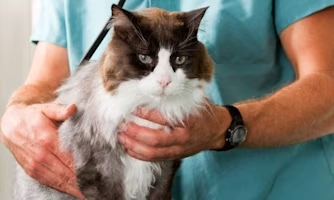
How much do cat vaccinations cost in 2026?


Key takeaways
Fully vaccinating your kitten will normally cost about £110, followed by annual boosters costing around £75
Some insurers will require you to vaccinate your cat as a condition of your policy
Standard pet insurance does not cover cat vaccinations but can help with other vet bills

How much do kitten vaccinations cost in 2026?
The average cost of an initial course of kitten or cat vaccinations, including the vaccine for feline leukaemia virus (FeLV), in Great Britain in 2026 is £110.22 according to the ManyPets. Costs can vary depending on a number of factors, including where you live and the clinic you've chosen.
If your cat is an indoor cat, you can save money by not including the FeLV vaccine - but the cost savings are negligible. A kitten course without FeLV is £104.51 on average, saving you just over £5, and some vets will charge the same whether you have FeLV or not.
When does my cat need vaccinations?
Your kitten will need two sets of vaccinations - their first set at nine weeks old and a second set at three months old.
Your vet will advise you about how long vaccinations last for. It’s standard practice for cats to get vaccine boosters every 12 months to top up their immunity. If you miss getting the annual boosters for your cat, you may need to restart their vaccinations, which can cost more.
Viruses can affect older cats more seriously than young, healthy cats, so it’s important to keep up with booster jabs as your pet ages.
How much do annual boosters cost?
Booster vaccine costs vary depending on which region of the UK you live in. ManyPets 2026 research found the average cost of annual cat booster vaccinations to be:
London £80
Scotland £80
Central England £78
Wales £76
South West England £74
South East England £70
North £68
Why should I vaccinate my cat?
Protection against disease
Unvaccinated cats face an increased risk of contracting serious, and sometimes fatal, diseases. As well as feline leukaemia virus (FeLV), vaccinations protect against feline infectious enteritis (also known as feline panleukopenia or cat distemper) and cat flu, which can all have serious health implications.
Protect other cats
Vaccines can also help stop the spread of infectious diseases to other cats and also protect the healthcare and wellbeing of cats and kittens that haven’t been vaccinated.
Before your kitten gets their first set of vaccinations, it is important that you keep them inside and minimise their contact with other cats.
Using catteries
Many UK catteries won’t accept cats that are not vaccinated, and certain countries will not allow your cat entry unless they are vaccinated.
Condition of pet insurance
Keeping your cat vaccinated can be important when taking out pet insurance. Some insurers require cats to be kept up to date with their vaccinations as part of their policy conditions. Failing to do so could affect whether a claim is successful.
What vaccinations does my cat need?
Vets divide vaccines into two categories:
Core vaccines – recommended for all cats
Non-core vaccines – recommended only when a cat’s lifestyle or risk level warrants them
Indoor cats still need core vaccines because some viruses are extremely contagious and can be brought indoors on shoes, clothing, or by other pets.
Outdoor cats are at much higher risk of catching or spreading infectious diseases, so they may need extra or non-core vaccinations.
What are the core vaccines for cats in 2026?
Core vaccinations protect cats against serious, potentially life-threatening infectious diseases. In the UK, the core vaccines for cats protect against feline herpesvirus (FHV-1), feline calicivirus (FCV) and feline panleukopenia virus (FPV), which are commonly given together as an FVRCP combination vaccine.
What is the FVRCP cat vaccine?
The FVRCP combination vaccine protects cats against three serious viral diseases: feline viral rhinotracheitis, caused by feline herpesvirus (FHV-1), feline calicivirus (FCV) and feline panleukopenia (also known as feline parvovirus or feline infectious enteritis).
Feline herpesvirus (FHV-1) and feline calicivirus (FCV) are two of the main viruses responsible for cat flu. FCV has many different strains and can cause illness ranging from mild respiratory symptoms to severe disease. In rare cases, FCV can be fatal.
Feline panleukopenia can cause vomiting, diarrhoea, and immune system suppression, and can even be fatal. The virus is highly contagious and can be carried into the home on shoes, clothing and other contaminated objects, meaning indoor-only cats can also be exposed.
Vets generally recommend core vaccination for all cats, including indoor-only cats, because these infections are widespread and cats can be exposed even without going outdoors.
What are non-core cat vaccines in 2026?
Non-core vaccines are recommended for cats whose location, environment, or lifestyle puts them at increased risk of certain infections.
Feline leukaemia virus (FeLV)
In the UK, non-core vaccines include the feline leukaemia virus (FeLV) vaccine.
FeLV can cause lifelong infection and may lead to serious diseases, including lymphoma, leukaemia and severe anaemia. Cats with progressive FeLV infection have a reduced life expectancy.
It’s spread through prolonged contact with other cats and vets recommend vaccinating your cat against this virus before they spend time outdoors or if they live with other cats with outdoor access.
Rabies
Rabies is a deadly virus that can spread between animals and people. It is present in the saliva of infected animals and is usually transmitted through a bite. It can also be transmitted if infected saliva enters an open wound.
The UK is currently rabies-free. To keep it this way, the rabies vaccination is essential for any cat (or dog or ferret) travelling outside of the UK or entering the UK from abroad.
The rabies vaccine is compulsory for any animals travelling under the Pet Travel Scheme (PETS).
Chlamydophila felis (formerly Chlamydophila)
This is a type of chlamydia bacteria that can cause conjunctivitis and respiratory issues in cats. The chlamydia vaccine is recommended for high-risk cats, such as those in multi-cat households, shelters, or catteries.
Bordetella
The Bordetella vaccine for cats is a non-core vaccine that protects against upper respiratory infections, specifically those caused by the bacterium Bordetella bronchiseptica.
It may be recommended for cats at high risk, such as those in shelters or boarding facilities.
What affects the cost of cat vaccinations?
Here are the main things that typically affect the price:
The type of vaccine: Core vaccines are usually cheaper
The number of vaccines needed: Kittens need a series of injections, while adult cats require yearly boosters
Charity-supported pricing: Certain charities may provide vaccines at a reduced cost for cat owners on low incomes or who receive certain benefits
Veterinary clinic pricing: Prices vary between practices depending on overheads and staffing costs
Clinic location: According the ManyPets research, vaccinations are most expensive in London and Scotland
Health plan membership: Plans may include discounted vaccinations
Whether a health check is included: Some vets include a full physical examination at the time of vaccinations, effectively giving you more for your money
Whether a health check is included: Some vets include a full physical examination at the time of vaccinations.
How can I get cheaper cat vaccinations?
There are a few ways to save on your cat’s vaccinations:
Shop around different vets
Vaccination appointment prices vary between vet practices. Call a few local vets and compare the cost of the vaccine, whether the fee includes a full health check and if the vet practice offers any discounts to new customers.
Join a pet health plan
Many UK vets offer preventative care plans which work out cheaper over a year than paying for each visit separately.
Pet health plan memberships may allow you to pay monthly and usually include:
Annual boosters
Parasite treatments
Discounts on some other services
Use low-cost or charity clinics
If you meet eligibility criteria (e.g. are on a low income or certain benefits), charities such as PDSA, RSPCA, or Blue Cross may be able to help with the cost of vaccinations.
Look for bundle or discounted deals
Some vets run seasonal vaccination promotions or bundle deals where, for example, you may pay a single fee for vaccines and microchipping.
Avoid unnecessary non-core vaccines
Ask your vet to assess whether your cat really needs vaccines such as FeLV, bordetella, chlamydia, or rabies.
Keep to the schedule
If you miss boosters by too long, your cat might need to restart the vaccine course, which is more expensive. Staying on schedule avoids paying for extra doses.
Ask about multi-pet discounts
If you have more than one cat, some practices offer reduced rates for multiple vaccinations booked together.
Does pet insurance cover cat vaccinations?
No, pet insurance does not cover vaccinations for cats and kittens. This is because pet insurance does not normally cover the cost of routine health checks such as vaccines, neutering, flea treatments, or dental cleaning.
However, some insurers will require you to keep vaccinations up to date as a condition of your policy. If your cat is not vaccinated, you may not be covered for illnesses that could have been prevented by vaccination, so it's important to check your insurer's terms and conditions.
Is it worth getting pet insurance for my cat if it doesn't cover vaccinations?
Yes, generally it is. While vaccines won’t be covered, cat insurance can still help with the cost of other important vet bills – in particular, emergency treatments for injuries and illnesses.
If you’re thinking about buying pet insurance for your cat or kitten, we can help you find the best policy by showing you quotes from top UK pet insurance providers. It’s quick, easy, and can save you money on a great value pet insurance policy.
Pet owners typically pay £7.39[1] a month to insure a cat, and £5.19[2] a month to insure a kitten.
We also offer dog insurance, multi-pet insurance and insurance for pets with pre-existing conditions.
More cat guides
Author
Mel Hunter
Money & Personal Finance Expert
Mel Hunter has worked as a journalist on national newspapers and magazines for more than 20 years. Writing for a wide range of publications, including Good Housekeeping, Woman & Home, The Telegraph...

Reviewer
Beth Leslie
Senior Insurance Content Editor
Beth is an experienced writer and editor who specialises in financial and economic content. She is currently the Senior Insurance Content Editor for MoneySuperMarket. Beth is passionate about making...