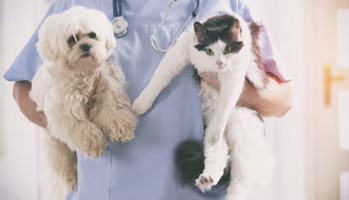
Understanding your pet's destructive behaviour

Written by
Alicia Hempsted

Reviewed by
Kara Gammell
Updated: 19 May 2026
Chewing, scratching, howling, and urinating are all destructive behaviours that can be difficult to tackle and put strain on pet-owner relationships, but these aren't always simple misbehaviour. Sometimes, destruction can be your pet's way of trying to tell you something.
Key takeaways
Online searches about “destructive” pet behaviour have increased in the UK, with experts saying it’s usually a sign of unmet needs or distress rather than pets being naughty.
Common triggers include boredom, stress, separation anxiety and pain, with sudden behaviour changes often signalling health issues that shouldn’t be ignored.
The most effective solutions focus on addressing root causes through routine, training, enrichment and veterinary advice, rather than punishment.
Searches for “why is my dog chewing everything in sight” have surged by 550% in the past five years, highlighting growing confusion among UK pet owners around “destructive” pet behaviour. 1
While this behaviour is often dismissed as pets being naughty, experts say it is rarely about disobedience, but more often a form of communication.
Why do pets display destructive behaviour?
Rather than being deliberate misbehaviour, unwanted behaviour can often be triggered by certain types of distress.2
It can be an indication that something is wrong or that your pet's needs aren't being met, which is why the way to address negative behaviour is usually to find and resolve the underlying cause rather than relying on punishment as a deterrent.
While every animal is different, destructive behaviour can often stem from one of the following underlying causes:
Boredom
Dogs and cats without enough stimulation are more likely to create their own entertainment, such as scratching or chewing. They might also use destructive behaviour as a way to get your attention if they are feeling neglected or frustrated.
Stress or fear
Both cats and dogs are sensitive to new sounds and smells, as well as routine changes. Changes to your pet's environment can lead to stress, which can cause them to act out. They might use destructive behaviour out of fear to make them feel more secure, like scent-marking, or use it to express their distress.
Moving home, loud noises, and even small things like changing your pet's feeding or walk times can trigger a stress response.
Social or separation anxiety
Separation anxiety is a very common trigger for destructive behaviour, causing pets to act out in a number of ways. When they are separated from their bonded family member, they might scratch at doors and windows, destroy items around the home, or be excessively vocal when left alone.
But pets can also become anxious when new pets and people are introduced to the home. They might lash out at new people or animals; spread their scent by scratching, and going to the toilet around the home; or become increasingly vocal.
Pain and discomfort
There aren't many ways for pets to communicate to you that they're in pain, so owners should keep an eye out for behaviour changes that might be a sign of health problems.
Chewing, for example, can indicate dental pain, which is a common behaviour for puppies and kittens whose teeth are growing.
Animals in pain are also likely to be more irritable, which can cause them to lash out in destructive ways. They might suddenly start showing signs of aggression and an aversion to being touched.
Changes to your pet's toileting habits – such as urinating outside the litterbox or excessively demanding to be let outside to go to the toilet – are also signs of possible pain and discomfort that shouldn't be overlooked.

How to reduce destructive behaviour
Before addressing destructive behaviour, pet owners should look into the potential causes.
If sudden behavioural changes are accompanied by symptoms such as lethargy, loss of appetite, or excessive panting or drooling, they could indicate a serious underlying health issue.
In which case, the first priority for pet owners should be to visit a vet as soon as possible to rule out any possible illnesses or injuries that could be the cause.
Owners also shouldn't leave it too long to address behavioural changes - they can become difficult habits to break if left for too long, and prolonged stress can have long-term consequences, impacting your pet's health for the rest of their life.
Constant stress can weaken their immune system, affect their appetite and gut health, and turn temporary distress into lifelong anxiety disorders.
Meanwhile, common health problems linked to destructive behaviour - like urinary tract infections or gum disease - can get worse over time if left untreated, leading to complications that require expensive or ongoing treatment.

Kara Gammell
Personal Finance & Insurance Expert
Personal Finance & Insurance Expert
Don't ignore sudden behaviour changes
Consulting a vet is the best way to address behaviour changes, but with the rising costs of veterinary care some owners may be wary of paying for a vet in a non-emergency. This is one of the ways pet insurance can help – not just by covering vet costs but also by giving owners access to fast and free non-emergency support.
Many UK pet insurance policies provide pet owners with access to a veterinary helpline to ask questions and seek general advice.
If your pet's behaviour changes suddenly, services like these can be an invaluable support, helping you determine which symptoms require an emergency visit to the vet and which can be managed with training and lifestyle changes.
When dealing with destructive behaviour, punishment can often do more harm than good. Instead, to manage it, owners should try the following.
Focus on training:
Treat the situation as teaching your pet good behaviour rather than stopping bad behaviour. Dogs in particular can get a lot of enjoyment out of training, which can help you reduce destructive behaviour not only through teaching right from wrong but by providing mental stimulation.
Avoid punishment:
Using harsh discipline, like raising your voice, can worsen your pet's behaviour if it's caused by stress or anxiety. If your pet is using destruction to get attention, it's better that you ignore bad behaviour and focus instead on praising good behaviour.
Remove hazards:
Destructive chewing can expose your pet to all kinds of hazards, such as electrical wires or toxic substances. While you're still addressing the behaviour, keep hazards out of reach and provide plenty of pet‑safe alternatives.
Redirect your pet:
If your pet is particularly drawn to a certain object or area, try to redirect them and provide an alternative outlet.
If scratching is a problem, for example, consider getting your pet a dedicated scratching post or board and giving them lots of praise when they use it.
Establish a routine:
Just like us, our pets thrive on routine. A good routine can reduce stress while a lack of routine can make them feel insecure, causing them to lash out.
To get into a consistent routine, try to schedule meal times, playtime, and bedtime at the same times every day and introduce routine changes gradually.
Learn your pet's exercise needs:
Both dogs and cats benefit from exercise, but exercise doesn't just mean running around. Animals need different kinds of exercise - both mental and physical - and the needs of one pet can look different from another.
Some breeds of dog benefit from long games of chase with a ball while others might need only a walk around the block with some intense sniffing.
The same can be said for cats. While some might prefer leaping and pouncing on a toy, others get more out of a quiet puzzle. Identify your pet's exercise needs and incorporate them into you daily routine to ensure they're properly exercised.
Encourage time alone:
To reduce symptoms of separation anxiety or overstimulation, regularly schedule periods of 'down time' for your pet and practice leaving them alone for short periods.
Provide them with a safe, quiet space that's just for them and build positive associations with being alone through treats, toys, and items that have their or your scent.
Sources
1. Google search data, retrieved and accurate as of 27.04.26
2. Dog’s Trust
Author
Alicia Hempsted
Insurance Expert
Alicia is MoneySuperMarket's editorial content manager and deputy spokesperson. She specialises in insurance and personal finance, with a background in copywriting, digital marketing, and insurance...

Reviewer
Kara Gammell
Personal Finance & Insurance Expert
Kara Gammell is an award-winning financial journalist with nearly two decades of experience writing for national newspapers and magazines such as the Daily Telegraph, the Sunday Times, Good...