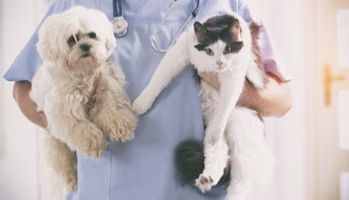
Brits face a pet-care dilemma as 65% would never use a sitter

Written by
Kara Gammell

Reviewed by
Alicia Hempsted
Updated: 20 May 2026
With summer half-term looming and summer holidays being planned, UK pet owners face tough choices about pet care. Read tips to find the right care for your pet and discover red flags to look out for.
Key takeaways
With millions of UK pet owners planning summer holidays, concerns are growing about the safety, cost and suitability of pet sitters, kennels and other traditional care options.
MoneySuperMarket research shows widespread hesitation, with most owners unwilling to use pet sitters or kennels and urged to carefully assess licensing, experience, suitability and emergency preparedness.
Experts warn owners to watch for clear red flags and ensure pets are properly insured before leaving them in someone else’s care.
Recent media reportshave highlighted concerns around pet sitting and the potential risks some owners may face when leaving their animals in someone else’s care. 1
With millions of UK pet owners planning their summer holidays, concerns about pet sitting are coming to the fore as owners weigh up cost, safety, and suitability.
At the same time, taking pets abroad, particularly to non-EU destinations, can be expensive, stressful, and logistically difficult, leaving many owners uncertain about the best option.
But while kennels and pet sitters remain common solutions, many pet owners still have reservations.
Research from MoneySuperMarket found that 65% of people would not use a pet sitter, while 63% would avoid kennels altogether. 2
This raises questions about the UK's trust in pet‑care services, what alternatives are available, and how owners can choose the right care for their pets.
But using a pet-care service or pet sitter doesn't have to be a gamble. There are things you can do to help you find the right carer for your pet and ensure their health and happiness while you're apart.
1. Ask the right questions
When choosing a kennel or boarding service, check whether the business is licensed with the local council, properly insured, and staffed by people with pet first-aid training.
It’s also important to see where your pet will be staying. Make sure the environment is clean, secure, and suitable for their needs.
If you’re hiring a pet sitter to come to your home, ask about their experience, read reviews from previous clients, and check their online presence and credentials to ensure they’re trustworthy and reputable. A little preparation goes a long way when it comes to keeping pets safe.

2. Think beyond trust - think suitability
Many people’s first choice can be someone they know and trust, but Kara says there is more to consider when it comes to pet care:
Not all pets are suited to every care environment, so it’s important to take into account their temperament, age, health, and daily routine.
For example, reactive or anxious pets may do better in a quiet, single-pet household where they aren’t overwhelmed by other animals or unfamiliar surroundings.
Similarly, high-energy working breeds such as German Shepherds or Collies may not be well-suited to being cared for by friends or family with more sedentary lifestyles and limited capacity for exercise and stimulation.
In these cases, home boarding with an experienced carer who understands the breed’s needs can be a better option, helping to ensure they receive the right level of activity, structure, and attention.
3. Inform your sitter of any health conditions and plan for emergencies
If your pet has any health conditions, make sure your sitter or kennel is fully informed. Consider writing down important information for your carer to keep track of, including dosage and times for medications, symptoms to look out for, and emergency contact information.
Carers should know what to do in the event of illness or injury, and owners should ensure vet details and emergency contact information are clear and up to date.
What are the pet-sitting red flags?
Leaving your pet in someone else’s care can feel daunting, whether you’re using a pet sitter, boarding service, or kennel.
To help owners make safer choices, here are key warning signs that could indicate a service is not trustworthy or suitable:
No licence or registration details available
Refusal to let you view the premises before booking and/or no meet-and-greet offered
Too many animals being cared for at once, or signs of stressed, anxious or unwell animals on-site
Lack of insurance or unwillingness to provide proof of cover
Poor or non-existent online reviews
Dirty, overcrowded or unsafe living conditions
No emergency procedures or pet first aid knowledge
Poor communication or slow responses to questions and/or an unprofessional or inconsistent online presence
Vague answers about routines, exercise, feeding, or supervision
No formal contract, policies, or clear pricing structure
Requests for full payment up front without proper documentation
Owners may also want to ensure that pets are appropriately insured before leaving them in the care of another person or business, particularly when using independent sitters or relying on friends and family. Cover, exclusions and terms vary by policy.
Sources
1. BBC
2. MoneySuperMarket’s Grandpawrents survey. Research conducted by Census Wide in November 2025. 1,000 people were surveyed, of which 550 were pet owners.
Author
Kara Gammell
Personal Finance & Insurance Expert
Kara Gammell is an award-winning financial journalist with nearly two decades of experience writing for national newspapers and magazines such as the Daily Telegraph, the Sunday Times, Good...

Reviewer
Alicia Hempsted
Insurance Expert
Alicia is MoneySuperMarket's editorial content manager and deputy spokesperson. She specialises in insurance and personal finance, with a background in copywriting, digital marketing, and insurance...