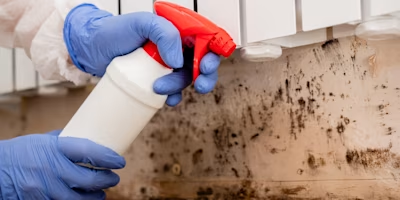
Spring home maintenance jobs you shouldn't skip

Written by
Kara Gammell

Reviewed by
Alicia Hempsted
5 min read
Updated: 26 Feb 2026
Spring is a perfect time to get on top of important home maintenance jobs. Skipping these ones in particular could have consequences for your home insurance
Key takeaways
Homeowners should carry out basic spring maintenance checks to prevent winter-related issues from turning into costly damage.
Neglecting tasks like clearing gutters, inspecting roofs and fences, sweeping chimneys, and testing smoke alarms can lead to denied insurance claims.
Knowing when to hire qualified professionals is essential, as improper DIY work may also invalidate home insurance coverage.
Over the winter, it’s easy for home maintenance to take a back seat - with gutters filling up, small leaks going unnoticed, and minor issues becoming bigger problems if left untreated.
With the UK experiencing four storms already in 2026, many homes may need a little extra maintenance as spring approaches.
That's why, as the heavy rains let up, now may be the prefect time to carry out these five simple checks to protect your and avoid the risk of a denied home insurance claim.

Kara Gammell
Personal Finance & Insurance Expert
Personal Finance & Insurance Expert
Neglecting important maintenance can invalidate your insurance
Many homeowners don’t realise that putting off simple maintenance jobs can lead to leaks or structural issues and, in some cases, impact an home insurance claim.
While all homes experience some wear and tear over winter, insurers still expect homeowners to carry out basic maintenance to keep the property in good condition.
If your insurer discovers that home maintenance has been neglected, they may say the damage could have been prevented, which could leave you covering the cost yourself.
Five must-do spring home checks
1. Clean your gutters
Your gutters help direct rainwater away from your home, but in winter the combination of harsh weather and reduced maintenance means they can easily get blocked by leaves, moss, and debris.
Over time, blocked gutters can cause water to overflow, leading to damp, mould and damage to walls or ceilings.
If you ignore overflowing gutters, your insurer may decline a claim for leaks, meaning you’d have to pay for any repairs out of your own pocket.
The good news is that clearing out a gutter is a simple task that can prevent a lot of damage. Inspect them from the ground, safely remove any debris with a ladder if needed, and test with water to ensure they drain properly without leaks or overflow.
2. Inspect your roof
Winter weather can damage your roof, making spring the ideal time for a careful check. Look for slipped or cracked tiles, damaged flashing around chimneys and skylights, and moss build-up that can trap moisture.
Even a small crack in a roof tile, flashing, or around a chimney can lead to serious damage over time, causing ceiling stains, mould growth, structural damage and even electrical risks.
Therefore, catching small issues early can prevent costly repairs later in the year.
3. Check fences are secure
Come spring, your fence may be in need of some TLC. The harsh winter weather can loosen posts, warp panels and cause rot.
While it might not feel like a priority, a damaged fence can quickly become a safety risk to you and your neighbours, especially where children or pets are involved.
If it collapses and causes damage or injury because it wasn’t properly maintained, this could affect a future claim.
A damaged fence can also weaken security, making it easier for someone to access your property. If a burglary where to happen, in which case, insurers may question whether reasonable steps were taken to maintain security, which could jeopardise a home insurance claim.
Regular inspections, tightening screws, and replacing rotten posts protects not just your property and your neighbours, but it also helps ensure your insurance coverage isn’t compromised.
4. Sweep your chimney
As spring approaches and the weather begins to warm up, it’s a good time to book in your chimney sweep while your fireplace is not in use.
Insurers won’t usually cover any damages caused by a chimney fire if it hasn’t been properly maintained, so getting this done by a professional is key.
Search for a sweep registered with the National Association of Chimney Sweeps and expect to pay around £90.
5. Test your smoke alarms
Safety checks are an essential part of home maintenance. While checking fire alarms and replacing batteries should be done regularly, taking a few minutes to test your alarms and swap out batteries this spring is a simple task that could make a life-saving difference.
Working fire alarms are also a requirement for home insurance. If a fire occurs and your alarms aren’t working, an insurer may decline a claim, so testing them helps protect both your home and your family.

The importance of knowing when to call in the professionals
While you may be happy to tackle a multitude of maintenance tasks yourself, it’s important to know when to bring in professionals, particularly for anything involving electricity, gas, plumbing or work at height.
Only tackle jobs which you feel confident doing safely. If not, there is a risk of causing damage or injury. Insurers may also decline a claim if unqualified individuals carry out specialist work.
Home insurance tips to save money:
If your home insurance is up for renewal, don’t auto-renew. Be sure to shop around see if you can get a more competitive deal by switching.
Note that you are not obliged to buy home insurance from your mortgage provider. Do this, and you could end up paying over the odds.
See if savings can be made by purchasing buildings and contents cover together from the same insurer. Discounts may be on offer for so-called ‘combined’ policies.
Opt to pay for your policy annually. You may be able to make savings by paying one lump sum upfront.
Consider opting for a higher excess. This is a fixed amount you have to pay towards any claim. But be sure that if you do have to make a claim, you will still be able to afford it.
Author
Kara Gammell
Personal Finance & Insurance Expert
Kara Gammell is an award-winning financial journalist with nearly two decades of experience writing for national newspapers and magazines such as the Daily Telegraph, the Sunday Times, Good...

Reviewer
Alicia Hempsted
Insurance Expert
Alicia is MoneySuperMarket's editorial content manager. She specialises in insurance, with a background in copywriting, digital marketing, and insurance advice. Since joining MoneySuperMarket in...