

Keep the roof waterproof
Make sure the waterproof covering is in good condition and get any cracks, splits or damaged areas repaired promptly.
Flat roof home insurance is home insurance for properties with a flat roof. Some insurers consider these properties a higher risk because flat roofs can be more vulnerable to water damage and may need more frequent maintenance than pitched roofs.
This can make it harder to find suitable cover, and some insurers may charge higher premiums or apply specific conditions to the policy. Flat roofs are a type of non-standard home construction, so it's important to tell your insurer how much of your roof is flat and what it's made from.
💡 Top tip: Flat roofs aren't completely flat. They have a slight slope to help rainwater drain away. They are usually made up of several layers, including a structural deck, insulation and a waterproof covering such as felt, asphalt or a synthetic membrane.
The way these layers are arranged can vary. A warm roof has its main insulation above the roof deck, while a cold roof has insulation below it. The design and condition of the roof can affect how insurers assess the risk.

Flat roof home insurance generally covers the same things as a standard home insurance policy, including damage to the building structure and, if you choose combined cover, your belongings.
Depending on the policy, buildings insurance may cover:
Storm damage: Sudden damage caused by a storm, such as part of the roof being blown away.
Water damage: Damage caused by rain entering the property following an insured event, subject to the policy terms.
Structural damage: Sudden damage to the roof structure caused by an insured event.
Fire damage: Damage to the roof and the rest of the building caused by fire.
Accidental damage: This may be available as an optional extra, covering certain unexpected accidents.
However, insurers generally exclude gradual roof deterioration, wear and tear and damage caused by poor maintenance. A policy is unlikely to pay for routine repairs or replacing an ageing roof simply because it has reached the end of its useful life.
🚩 Check the policy wording carefully, as some insurers may also impose specific conditions relating to the age, condition and maintenance of your flat roof.
There isn't a standard price for flat roof home insurance. Your premium will depend on how much of the roof is flat, its age and condition, the materials used and the overall value and location of your property.
Insurers may ask for the following details when you get a quote:
Some insurers use percentage brackets to assess risk. The thresholds vary, so don't assume that a small flat roof section will automatically be ignored.
Insurers may ask whether your roof is made from felt, asphalt, rubber, fibreglass or another material.
You may need to provide the year it was installed or last replaced.
Some insurers want to know when the roof was last checked by a professional and whether any problems were found.
The cost of rebuilding your home will affect the amount of buildings insurance you need.
Insurers may ask about previous claims and any history of flooding or subsidence.
The value of your belongings can affect the cost of contents insurance. High-value possessions may need to be listed separately.
A flat roof may last around 10 to 15 years, although some can last longer. Its lifespan depends on the roofing material, the quality of installation, weather exposure and how well it's maintained.
For example, felt roofs may need replacing sooner than some modern rubber or fibreglass systems. Poor drainage, standing water and damage to the waterproof covering can also shorten a roof's lifespan.
Regular checks can help you spot problems before they become more serious. If your roof is approaching the end of its expected lifespan, it's worth getting professional advice about whether repairs or replacement are needed.
Remember that home insurance generally won't pay to replace a roof simply because it's old or worn out. It is designed to cover insured events, rather than routine maintenance or gradual deterioration.

You can take several steps to reduce the risk of damage to your flat roof and potentially make your insurance cheaper. However, insurers don't all offer discounts for the same improvements, so check whether any work you carry out will affect your premium.
Make sure the waterproof covering is in good condition and get any cracks, splits or damaged areas repaired promptly.

Keep gutters, outlets and drains clear so rainwater can run off the roof rather than collecting on the surface.

Poorly installed or damaged insulation can contribute to condensation and moisture problems. Get professional advice before making changes to the roof construction.

Good locks, alarms and other security measures can help reduce the risk of theft and vandalism claims.

Different insurers have different attitudes to flat roofs. Comparing policies can help you find suitable cover at a competitive price.
It's important to inspect your flat roof regularly to spot signs of damage, blocked drainage or water ingress. Some insurers require a professional inspection every one to three years, while others may specify a different interval.
There isn't one inspection frequency that applies to every policy. Check your insurance documents to see whether your insurer sets out specific requirements. Failing to meet these conditions could affect a claim.
Even if your insurer doesn't require professional inspections, it's sensible to arrange regular checks, particularly after severe weather or if your roof is getting older.
Keep copies of inspection reports, invoices and records of repairs. These can help demonstrate that you've maintained the roof if you need to make a claim.

As well as buildings insurance, you may want to consider other types of cover depending on your circumstances.
Covers your belongings against insured events such as fire, theft and certain types of water damage. You can usually buy it alongside buildings insurance.
This may help with urgent problems such as a burst pipe or a breakdown of your heating system. However, it won't usually pay for routine roof maintenance, gradual deterioration or replacing an ageing roof.
This can provide extra protection against certain unexpected accidents involving your home or belongings. Check whether roof-related accidental damage is included, as exclusions may apply.
This may help with certain legal costs, such as disputes with neighbours or problems with building contractors, depending on the policy.
We’re here to help you protect the things that matter most

Pop in some details about your home and your belongings, and compare quotes in just a few minutes

We’ll search the market for the cheapest deals, and help you choose the cover that suits your needs

We’ll show you claims experience for policies, to help you choose the right home insurance policy for you

If your home has a flat roof, it’s important to have the right insurance in place to protect yourself financially if you encounter any issues. According to recent data from the Association of British Insurers (ABI), insurers paid out £322 million for damage caused by storms, heavy rainfall and frozen pipes between April and June 2025
Without insurance, you’d be left footing the bill for damage to your home, which, depending on how serious the problem is, could be expensive. The annual premium that 51% of our customers paid for buildings insurance was £201.94[3]
To put this into perspective, think about the price of a policy compared to the cost of a new roof. Before you commit to flat roof insurance, spend time looking at the terms and conditions, as some insurers will insist on things like having your roof checked by a professional every few years in order to keep your insurance valid.
Emma Lunn Personal finance expert
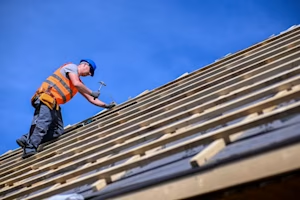


A flat roof is a roof with a very slight slope, rather than the steeper pitch found on a traditional roof. It is usually constructed from a structural deck, insulation and a waterproof covering such as felt, asphalt, rubber or fibreglass.
Insurers often consider roofs with a slope of less than 10 degrees to be flat. However, the percentage of flat roofing that affects your premium varies between insurers. Some may use a 30% threshold, while others may have different criteria.
To work out the proportion of your roof that is flat, you'll need to compare the flat roof area with the total roof area. If you're unsure, a roofing professional may be able to help. Always give your insurer accurate information rather than assuming a small flat roof section won't affect your cover.
Flat roofs can be more vulnerable to water pooling, leaks and damage if rainwater doesn't drain away properly. They may also need more frequent maintenance than pitched roofs.
Some flat roofs can provide easier access to the property, which may increase the risk of burglary. This could affect the cost of contents insurance as well as buildings insurance.
However, not all insurers view flat roofs in the same way. The cost of cover will depend on the roof's size, age, material and condition, as well as the property's other risk factors
Flat roof home insurance may cover damage caused by a sudden, insured event, such as a storm that damages the roof and allows rainwater into your home.
You'll need to provide evidence to support your claim, such as photographs of the damage, details of when the leak started and any relevant inspection or repair reports.
However, insurers generally exclude leaks caused by gradual deterioration, wear and tear, faulty design or poor maintenance. If your insurer relies on one of these exclusions to reject a claim, it must be able to show that the exclusion applies. The outcome will depend on the policy wording and the evidence available.
Flat roof home insurance may cover the cost of repairing or replacing damaged roofing materials if the damage was caused by an insured event, such as a storm or fire.
However, general maintenance, wear and tear and repairs needed because a roof has reached the end of its useful life aren't usually covered.
Whether your insurer pays out will depend on several factors, including:
The age of the roof
The condition of the roof before the damage occurred
The cause and severity of the damage
The policy's exclusions, limits and excess
Regular maintenance can help prevent small problems from turning into expensive repairs. You should look out for:
Standing water: Water that remains on the roof rather than draining away could indicate a drainage problem or inadequate falls.
Sagging: A dip or sag in the roof could indicate a problem with the structure or water collecting beneath the surface.
Damp patches: Stains on ceilings or walls could be a sign of water getting through the roof.
Cracks or splits: Damage to the waterproof covering can allow water to enter.
Moss and vegetation: Plant growth can trap moisture and may indicate that the roof needs attention.
Blocked gutters and drains: Leaves and other debris can prevent water from draining properly.
Don't walk on a flat roof unless it's designed to be walked on and you can do so safely. If you spot any signs of damage, contact a qualified roofing professional.
Yes – keeping your flat roof waterproof and in good condition can reduce the risk of leaks and water damage. This may help when you apply for insurance, but it won't automatically result in a lower premium.
Insurers set their own prices and may not offer a discount for waterproofing work. If you're planning improvements, ask your insurer whether they could affect your premium and keep records of the work carried out.
There are government schemes that may help eligible households pay for energy-efficiency improvements, including insulation. However, grants aren't generally available simply to repair or replace a flat roof.
The Great British Insulation Scheme (GBIS) closed on 31 March 2026 and is no longer accepting new installations.
The Energy Company Obligation (ECO4) scheme is due to end on 31 December 2026. It is aimed at improving energy efficiency in eligible homes, particularly those occupied by low-income households.
The Warm Homes: Local Grant may also help eligible households in England pay for energy-efficiency improvements, including insulation, subject to local availability and the scheme's eligibility rules.
Whether a flat roof insulation project qualifies will depend on the property, the recommended work and the scheme's requirements. Check with your local council or energy supplier for current information before making plans
Yes. You should tell your home insurer if you build a new extension with a flat roof or make significant changes to your existing roof.
The extension could change the rebuild value of your property and the proportion of your roof that is flat. It may also affect the insurer's assessment of the risk.
Contact your insurer before or as soon as possible after the work, and provide details of the extension, including its size, construction and roofing materials. Your insurer can then confirm whether it will continue to cover the property and whether your premium or policy terms need to change.
If you don't tell your insurer about significant changes, you could risk problems if you need to make a claim
Past claims can increase your premiums, but you must disclose them when you apply for home insurance.
At MoneySuperMarket, we want to give you clear, accurate and trustworthy information so you can make confident financial decisions for your circumstances.
Every page on our website goes through a careful editorial process before it is published. It’s written or reviewed by one of our experienced experts, checked for accuracy, and updated regularly to reflect the latest information.
We do use AI tools to support our research and drafting, but a human editor is always in the loop to review, fact-check and approve everything before it’s published, so you can trust that what you’re reading is both reliable and up to date.
You can read more in our editorial guidelines.
We get paid by the companies we work with, but the payment we get doesn’t have any bearing on the information we provide. We get paid in different ways, depending on the type of product or service you buy through us. Our goal is to search deals from as wide a range of companies as possible, but we only show results from our partner providers.
Our comparison service is, and will always be, free to use.
One of the best ways to get the lowest prices and best deals is to compare quotes from different companies. We do the work for you, comparing quotes side-by-side and giving you all the information you need so you can choose the right deal for your needs and your wallet.
We don’t give recommendations or financial advice, but we give you clear information so you can choose financial products that suit your circumstances.
No, not every company can be included in our service. This is because some companies don’t want their products included on comparison sites, and some decide that they would rather not pay a fee. There are also a few smaller providers who can struggle to cope with the volume of customers that can find their products if they appear on MoneySuperMarket.
Our goal is to search deals from as wide a range of companies as possible so that you can choose the deal that suits you.
Yes, you can earn SuperSaveClub rewards when you buy home insurance through MoneySuperMarket.
This includes:
Up to £15, which you can withdraw as a pre-paid Mastercard or a gift card for brands like Sainsbury's and Amazon.co.uk
Free Days Out pass (worth £180), which gives free entry to a range of UK attractions
Cashback of up to 10% when you spend at brands including eBay, Just Eat and Argos
To earn SuperSaveClub rewards on purchases you must:
Sign up to SuperSaveClub (it's free)
Be signed in to your account when you make the purchase
More information can be found on our SuperSaveClub homepage.
Yes, home insurance is included in our Super Save Price Promise.
If you buy through us then find the same deal for less we will:
refund the difference
give you a gift card worth £15
Terms and conditions apply. More information can be found on our Price Promise page.
Reviewed on 19 Nov 2026 by
SuperSaveClub restrictions and T&Cs apply. Click here for details.
YouGov Survey 1st July 2025 to 30th June 2026. Net Recommend score derived from "Which of the following online service websites would you recommend to a friend or colleague, or tell them to avoid?" Base: Current Customers of (MoneySuperMarket n=17,883, Compare the Market n=16,193, Go.Compare n=8,523, Confused.com n=7,918, Uswitch n=514)
The annual premium that 51% of our customers paid in September 2026 where the cover type purchased was buildingsinsurance.

