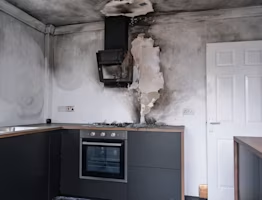
Five top tips to protect homes against heatwaves

Written by
Kara Gammell

Reviewed by
Alicia Hempsted
Updated: 02 Jul 2026
Preparing your home for heatwave isn't just a matter of keeping cool. There are all kinds of hazards that can be caused by extreme heat and sun exposure.
Key takeaways
UK heatwaves are increasing, bringing risks beyond discomfort, including fire hazards, plumbing strain and gradual structural damage to homes.
Simple precautions such as moving reflective items, maintaining dry gardens and checking for cracks or warping can significantly reduce the risk of costly damage.
Experts also warn homeowners to monitor pipes, compost bins and insurance coverage, as some heat-related issues or neglect may not be fully protected.
Last week’s heatwave saw temperatures soar to 35°C in parts of the UK, with records broken as the country experienced its hottest day ever recorded in May.1
With experts warning that the heatwave is unlikely to be an isolated event, the risks to households across the UK have never been greater. 2
From increased fire hazards in gardens to structural damage caused by prolonged exposure to extreme heat and dry conditions, the heat can have a serious impact on properties if homeowners are unprepared.
As extreme temperatures become more common in the UK, homeowners who prepare early are far less likely to face avoidable damage or disruption. A few simple checks now can help reduce risk and prevent costly repairs later.
1. Store reflective objects safely
Mirrors and other reflective objects left near windows can intensify sunlight and, in rare cases, generate enough heat to ignite nearby materials.
Keep mirrors, decorative glass ornaments and mirrored trays away from windows and direct sunlight, especially when you’re not at home.
Insurance cover can be affected if insurers believe reasonable precautions were not taken, so it’s important to be mindful of where reflective items are positioned.

2. Keep gardens maintained
During periods of extreme heat, dry grass can become highly flammable, so staying on top of garden maintenance is particularly important. Be cautious when using barbecues especially near dry lawns and plants.
Aim to water your lawn 2 to 3 times a week to help improve drought resistance, and remove any dry garden waste that could easily ignite.
If damage occurs, insurers may look at whether reasonable steps were taken to reduce risk. It’s worth checking your policy details, as not all policies automatically cover outbuildings such as sheds.
3. Check for any structural damage
Intense temperatures place additional stress onto the structure of houses as sealants, brickwork and wood naturally expand in the heat.
Over prolonged periods of high temperatures, this can lead to cracks and weaken materials over time. Heat-related structural damage can develop gradually, making early signs easy to miss.
Regularly check for signs of cracked sealants, warped wood, roofing wear, and contact a professional to fix any potential issues. Inform your insurer as soon as possible if structural damage is identified.
4. Monitor plumbing and outdoor pipes
Hot weather can put additional stress on pipes as materials expand in high temperatures, leading to issues with external plumbing or reductions in water pressure.
To help protect pipes during heatwaves, consider installing insulation or tap covers to shield them from direct sunlight or apply reflective, water-based acrylic paint to any exposed metal or PVC pipes.
If your plumbing issues occur, contact a professional immediately and let your insurance provider know of any damages. If flooding has occurred, move valuable items away from affected areas and take photographs of the damage to support any potential claim.
5. Keep an eye on any compost bins
Intense heat can cause compost bins to warp, crack or even melt. This can increase fire risk and may also attract pests such as rats, mice, flies and ants.
Pest infestations are typically treated as a maintenance issue rather than a sudden event, so they are not usually covered by standard home insurance.
Compost bins can generate heat internally, so position them in shaded areas to reduce exposure to direct sunlight. Turn compost regularly and prevent contents from becoming excessively.
Sources
1. BBC
2. Met Office
Author
Kara Gammell
Personal Finance & Insurance Expert
Kara Gammell is an award-winning financial journalist with nearly two decades of experience writing for national newspapers and magazines such as the Daily Telegraph, the Sunday Times, Good...

Reviewer
Alicia Hempsted
Insurance Expert
Alicia is MoneySuperMarket's editorial content manager and deputy spokesperson. She specialises in insurance and personal finance, with a background in copywriting, digital marketing, and insurance...