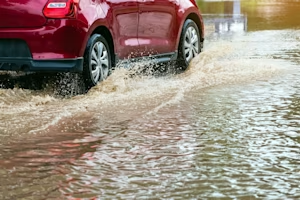
Rain warning: just six Inches of water could wreck your car

Reviewed by
Alicia Hempsted
Updated: 13 Nov 2025
With Storm Claudia on the way and heavy rain expected to cause difficult driving conditions next week, drivers should be mindful of the dangers of attempting to drive through floodwater.

The Met office recently announced warnings of heavy rain expected to affect parts of Wales, Scotland, and south west England next week, with increased likelihood of flooding.
In light of this, it's worth reminding drivers that they should not attempt to drive through floodwater, even if it looks shallow.
New data from MoneySuperMarket reveals that a worrying 45% of drivers have driven, or would attempt to drive, through a flooded road. This could lead to major vehicle damage and expensive insurance claims.
Just six inches of water can be enough to cause serious engine damage. Even a small amount - about an egg cupful - can be sucked into the air intake, which is typically low on most vehicles and especially vulnerable during floods.
If your car is damaged by floodwater, contact your car insurance provider immediately. Take clear photos of the scene and any damage both inside and out. Most insurers will send an approved mechanic to assess the vehicle as the first step in processing your claim.
What to do in the event of a flood
The safest option is always to avoid driving during severe weather and move your vehicle to higher ground where possible. However, if travel is unavoidable, follow these expert tips to stay safe:
Turn on your headlights for visibility and keep the demister running to prevent windows from misting up.
Reduce speed and double your usual stopping distance on wet roads, where tyre grip is reduced.
If your car starts to aquaplane, ease off the accelerator gently without braking.
Where safe, drive in the centre of the road - this is typically the highest and driest point.
If a road is flooded entirely, avoid driving through it. Even shallow water can hide deep potholes and cause damage to your vehicle.
Only attempt driving through water that is clearly shallow and safe (less than a few inches deep). Enter slowly in first gear at around 1–2mph and keep engine revs steady. Never drive through fast-moving water and never drive through standing water if you’re unsure of the depth.
After passing through standing water, gently apply your brakes to check they are working properly.
If you're expecting heavy rains in your area, take a few minutes to review your car insurance policy to ensure you're covered,
Sources:
1. AA flood advice
2. Survey data: A survey conducted by Censuswide with a nationally representative sample of 1,000 drivers, correct as of September 2025.
Reviewer
Alicia Hempsted
Insurance Expert
Alicia is MoneySuperMarket's editorial content manager. She specialises in insurance, with a background in copywriting, digital marketing, and insurance advice. Since joining MoneySuperMarket in...