Does home insurance cover subsidence?


Key takeaways
Subsidence occurs when the ground beneath a building loses its integrity, causing the foundations to sink or collapse, leading to significant structural damage
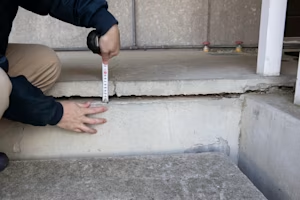
Signs of subsidence can include new or widening cracks in walls (wider than 3mm) rippling or crinkling wallpaper not caused by damp and sticking doors and windows due to warped frames
Most standard building insurance policies cover subsidence, however, there is often higher excess for subsidence claims due to repair costs

What is subsidence?
Subsidence is the process where the ground beneath a building loses its integrity, causing the foundations to sink or collapse. This can happen suddenly or gradually, but the result is significant structural damage.
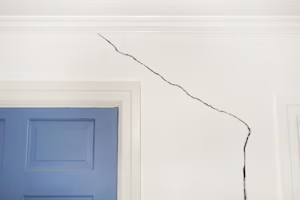
When cracks appear in the walls, it's a tell-tale sign that subsidence may be at play.
What causes subsidence?
Several factors can contribute to the risk of subsidence:
Clay soil
This type of soil is particularly susceptible to changes in moisture, expanding when wet and shrinking when dry.
Trees and vegetation
The roots of trees and large shrubs can draw significant moisture from the soil, causing it to shrink.
Heat waves
Prolonged periods of hot weather can dry out the soil, leading to shrinkage and potential subsidence.
Water leaks
Escaping water from broken pipes can wash away or soften soil, undermining the foundations.
Geological instability
Certain areas may have underground caverns that can collapse, causing the ground above to sink.
Mining activity
Old mines can lead to subsidence as their tunnels collapse over time.
Construction issues
Poor construction or inadequate ground preparation can lead to subsidence.
Decomposing materials
Organic materials used as fill can decompose, causing the ground to sink.
Previous underpinning
If a building has been underpinned before, it might be at risk of further subsidence.
Underpinning is a construction technique to combat subsidence by added extra support to a building's foundation.
Age of property
Older properties, especially those from the Victorian or Edwardian era, may be more vulnerable due to shallower foundations.
What are the signs of subsidence?
Common signs of subsidence include:
A crack more than 3mm thick
A diagonally positioned crack that is wider at the top and slimmer at the bottom
A crack that can be seen both internally and externally
A crack near a door or window
A crack which has spread under the damp-proof course
Wallpaper creasing at the joins where the wall meets the ceiling
Doors and windows sticking
Cracks where an extension joins the house
Floors starting to drop to one side of a room
🚩 Not all cracks indicate subsidence. For instance, new buildings often experience 'settlement,' where small cracks appear as the structure adjusts to its weight and the ground beneath it.
How do I prevent subsidence?
While not all causes of subsidence can be prevented, there are steps you can take to minimise the risk:
Regularly prune trees and large shrubs near your home
Plant new greenery at a safe distance from your home
Keep your property's pipes and drainage systems in good repair
Before buying a property, investigate its history of subsidence
What do I do if my home has subsidence?
If you suspect your house is experiencing subsidence, contact your home insurance provider straight away.
They will arrange for a survey to confirm whether subsidence is occurring. If it is, your insurer may recommend the following actions:
Fixing the root cause of the subsidence
If the subsidence is being caused by trees, then the solution may be to chop it down or have it trimmed back.
Similarly if your subsidence is caused by leaking or burst pipes then repairing or replacing the pipes can stop the subsidence.
Underpinning the house
Underpinning is a construction technique which combats subsidence by adding extra support to a building's foundation. Extra concrete or metal is put underneath your home to help support its weight.
Underpinning is the most time-consuming and expensive subsidence treatment. The Royal Institution of Chartered Surveyors (RICS), a professional body, puts the cost of underpinning at £10,000-£75,000. Home insurers will generally cover this cost for you.
Only 5% of properties with subsidence need underpinning, according to RICS.
Resin injections
Resin injections work in a similar way to underpinning, but are quicker and less invasive.
Does home insurance cover subsidence?
Yes, most standard building insurance policies include subsidence.
However, insurers may impose a higher excess (your contribution towards the claim amount) for subsidence work.
Subsidence insurance should cover the cost of fixing the problem, and may also pay for your household to live in alternative accommodation while the work is being carried out.
Will my home insurance be more expensive after a subsidence claim?
Yes. Once your home is know to have a history of subsidence, your insurance premiums are likely to increase. This is because there is a higher risk of your property having subsidence again in the future.
How do I find cheap home insurance with subsidence cover?
Comparing home insurance quotes from multiple providers is the best way to find a good insurance deal.
MoneySuperMarket can do the hard work for you. You just need to provide some details about yourself and your home, including when it was built, and tell us about any existing subsidence issues.
Author
David McDermottroe
Head of Commercial
Reviewer
Beth Leslie
Senior Insurance Content Editor
Beth is an experienced writer and editor who specialises in financial and economic content. She is currently the Senior Insurance Content Editor for MoneySuperMarket. Beth is passionate about making...