Homeowners warned to prepare for flash flooding

Written by
Kara Gammell

Reviewed by
Alicia Hempsted
Updated: 20 Aug 2026
Following a record-dry summer, concerns are growing over an increased risk of flash flooding across the UK. With flooding capable of causing significant damage, now may be time to prepare and review your protection.
Key takeaways
Drought-hardened ground is less able to absorb heavy rainfall, increasing the risk of flash flooding even after prolonged dry weather.
Flooding can affect homes outside recognised flood-risk zones and is a more widespread threat than many homeowners realise.
Reviewing insurance cover and taking practical steps such as clearing drains, protecting valuables and monitoring weather warnings can help reduce potential damage.
Following a summer of record-breaking temperatures, flash flooding could be the next weather challenge for UK households, as heavy downpours are expected for many parts of the country over the coming weeks.
With over two-thirds (71%) of England in drought following the UK’s driest July in 190 years,1 homeowners are urged to take extra precautions against potential flood damage, as the risk of flash flooding increases.
Why periods of drought can increase the risk of flooding
During a long dry spell, the ground can become hard and compacted, making it less able to absorb water when heavy rainfall hits. As a result, the rainwater runs off the surface, increasing the likelihood of flash flooding.
With the average cost of flooding to a home estimated at around £30,000,2 not having an insurance plan in place could lead to significant financial consequences.
Why all households could be at risk of flooding
A common misconception is that your home is only at risk from flooding if you live beside the water, when in fact, a quarter of flooding occurs in areas that are formally designated as being outside of flood risk zones.
UK homes are more likely to be exposed to flooding than burglary. According to data from the 2024 Office for National Statistics (ONS) Crime Survey, close to one in 100 homes in the UK are burgled each year, while official figures show that around one in five UK homes are considered at risk of flooding.3
Many households take steps to protect their homes from burglary, but fewer think about the damage flash flooding can cause. Yet flooding remains one of the most expensive weather-related threats facing homeowners.
With forecasters predicting that the extreme temperatures we’ve experienced this year could become more common in the years ahead, it’s more important than ever to make sure you’re protected against potential flood damage – whether you live in a high-risk area or not.

Does standard home insurance cover flood damage?
Flood insurance can provide cover for the costs of home damage caused by flooding from heavy rainfall, overflowing rivers or surface water. This can include the cost of repairs and replacement of your belongings.
While flood insurance is included in most home insurance policies, the level of protection and cost of your policy can vary depending on the flood risk in your area. For those living in high-risk areas or homes, you may need to take out specialist flood insurance cover.
MoneySuperMarket data shows that the average price of home insurance for properties that have previously flooded is around double that of properties that have never flooded before,4 so if you’re looking for home insurance, make sure you compare policies to find the right cover at the best value for your home.”
However, even if you are not in a high-risk area, flood insurance can provide peace of mind against increasingly unpredictable weather events. With 2026 bringing an exceptionally wet start to the year and a record-dry summer, flood insurance could become an increasingly important consideration for homeowners.
Flood Re is a government-backed insurance scheme set up to help people in high-risk flood areas obtain more affordable home insurance.

Alicia Hempsted
Insurance Expert
Insurance Expert
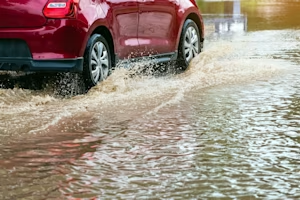
Don't forget to protect your vehicle as well
To keep your car safe from floodwater, move it to high ground or, if that isn't an option, keep it off the road. If you plan to keep it in a garage, seal entry points where water can enter with things like sandbags or heavy-duty plastic sheeting, secured with waterproof tape.
Just six inches of water can be enough to cause serious engine damage. Even a small amount - as little as an egg cupful - can be sucked into the air intake, which is typically low on most vehicles, and cause severe mechanical damage.
If your car is damaged by floodwater, contact your car insurance provider as soon as possible. Take clear photos of the scene and any damage both inside and out. Most insurers will send an approved mechanic to assess the vehicle as the first step in processing your claim.
How to protect your home from flooding
Surface water flooding can happen very quickly and can be difficult to predict. However, taking precautions to prepare your home for flash floods could make a big difference to the extent of the damage caused to your property when flooding occurs.
Kara’s tips to prepare your home for flash flooding
Clear the way
Blocked drainage is a major cause of surface water flooding.
Remove fallen leaves, moss and debris from drains and gutters to prevent blockages that can lead to water damage and a potential denied claim, due to lack of maintenance.
Check your insurance
Make sure your policy is up to date, ensuring your cover aligns with your current possessions and their value.
Take this opportunity to also confirm what you're covered for, and whether there are any terms that may prevent you from making a successful claim should something happen, like properly storing valuables in a safe or taking appropriate measures to flood-proof your home.
Take photographs
Take photos of your home and garden now, while they’re in good condition. It can act as proof against weather-related disputes later.
That includes the state of your valuable belongings and even the contents of your fridge and freezer if you policy includes cover for replacement of lost food. You should also bring together any important receipts for proof of purchase.
Look for warning sighs
Inspect ceilings, walls and loft spaces for early signs of water or damp. Fixing small problems now can prevent bigger damage later.
Don't forget to look at the exterior of the building as well. It's a good idea to regularly inspect the state of your walls and your roof. Check for missing tiles, cracks or other places where water could seep into your home.
For your insurer, it's a good idea to also keep a simple home maintenance diary to show you’ve taken steps to maintain your property.
Stock up on sand
Consider investing in some sandbags, which are an old school but very effective tool for controlling the flow of water during a flood, especially if you're in an area that's prone to flooding.
Place them lengthwise against low entry points where water can enter, like cracks under doors and basement windows. Just make sure you clear away debris from the area first that could be shifted by the water.
Best practice is to stack them and stamp them down so there are no gaps between the bags for water to sneak through.
You can also use sandbags to prevent sewage backup from drains and plugholes. Place plugs in sinks and baths, and use something heavy to weigh them down, like sand bags.
Protect your valuables
It may be wise to keep your important documents, sentimental items, and valuables high and dry - preferably on an upper floor and inside a waterproof container.
Keep an eye on weather warnings
Sign up for local alerts and Met Office warnings, so you can prepare in advance for severe weather. You can also look up the long term flood risk in your area on the government website.
To keep updated on the situation in your local area, it may also be a good idea to open a line of communication with your neighbours and friends in the area – through messaging groups, social media, or a simple phone tree – with an agreement that if something happens, neighbours are kept informed.
Sources
1. https://www.gov.uk/government/news/more-areas-in-england-declared-in-drought-after-record-dry-july
2. https://www.moneysupermarket.com/news/uk-home-high-flood-risk/
3. https://www.metoffice.gov.uk/about-us/news-and-media/media-centre/weather-and-climate-news/2026/climate-extremes-are-becoming-the-new-normal-for-the-uk
4. Based on home insurance policies sold through MoneySuperMarket between 01/01/2026 and 17/08/2026
Author
Kara Gammell
Personal Finance & Insurance Expert
Kara Gammell is an award-winning financial journalist with nearly two decades of experience writing for national newspapers and magazines such as the Daily Telegraph, the Sunday Times, Good...

Reviewer
Alicia Hempsted
Insurance Expert
Alicia is MoneySuperMarket's editorial content manager and deputy spokesperson. She specialises in insurance and personal finance, with a background in copywriting, digital marketing, and insurance...