BUSINESS ENERGY
Renewable Energy for Business

Read time: 5 minutes

By Les Roberts, Business Energy Expert
30th September, 2025
Investing in renewable energy can offer many benefits to your business, including reduced running costs and a smaller carbon footprint. There's also the potential to generate income by selling any unused energy back to the grid. You can find out more about microgeneration in this guide.
Switching to your own renewable energy generation can be a smart move if you're looking to future-proof your supply and protect against volatile changes to business energy prices. Contributing to a greener planet can also help to improve your company's image, especially with more eco-conscious customers.
But installing renewable energy sources at your business premises also comes at a cost, and payback periods can be lengthy.
Let’s take a closer look at renewable business energy options and their benefits, along with some things to consider and how they can ultimately transform your business.
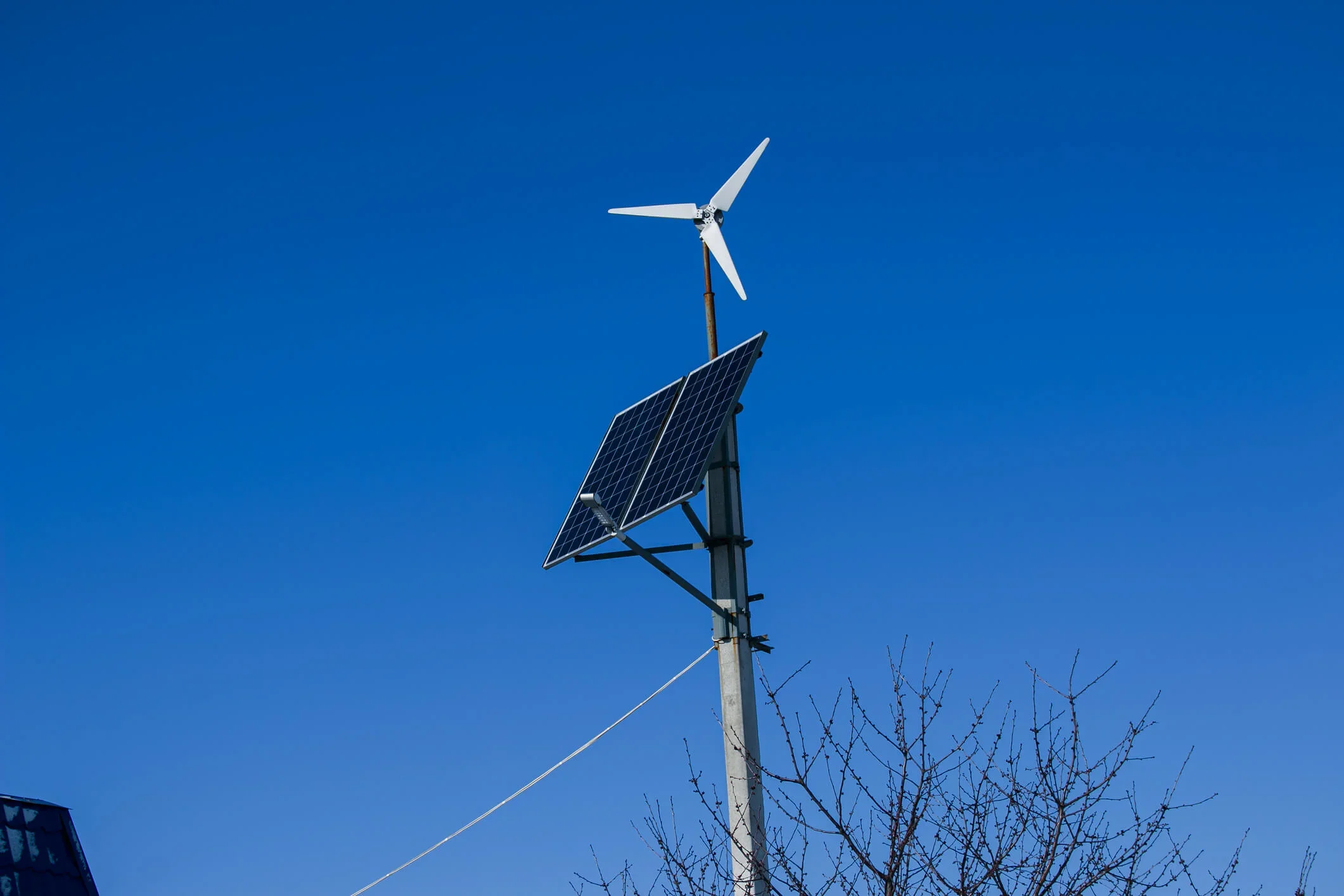
What is renewable energy for businesses?
Renewable energy for businesses means getting your electricity (and in some cases, gas) from sustainable and naturally replenishing systems such as solar, wind, hydro, biomass, and geothermal sources. Unlike fossil fuels, these energy sources have minimal environmental impact, making them a vital part of future sustainable energy generation.
For businesses, installing renewable energy technology can help to cut energy costs and enhance your reputation, as more customers seek to support environmentally responsible companies.
What types of renewable business energy are available?
All commercial renewable energy solutions come with an initial set-up cost, but should save you money over time. It’s important to work out which is best for your business before installing anything at your premises.
To help you decide, here are the main options available, along with estimated costs and payback periods.
1. Solar energy
Solar energy is the most widely adopted form of renewable energy for businesses. Solar panels can be installed on rooftops or walls to harness sunlight and convert it into electricity.
Cost: £5,000 to £10,000 for small systems.
Payback period: Typically between six and ten years.
Best for: Businesses with large roof spaces or consistent exposure to sunlight. Solar thermal systems, which heat water using sunlight, are another option. They cost between £3,000 and £5,000 and offer a quicker payback of around five years.
2. Wind power
Wind turbines generate electricity by converting wind into energy. While effective, they require open, unobstructed spaces for optimal performance.
Cost: £10,000 for microturbines; large turbines can cost up to £3.3 million.
Payback period: Microturbines take eight to fifteen years; larger turbines can take between one and five years.
Best for: Businesses in rural areas with ample land and strong wind conditions.
3. Hydroelectric power
Hydroelectric systems use water flow to generate electricity. These systems are highly efficient but depend on proximity to water sources.
Cost: £4,000 to £8,000 per kW of capacity.
Payback period: An 8kW system takes about seven years to pay back.
Best for: Businesses near rivers or streams.
4. Biomass energy
Biomass systems generate energy by burning organic materials, like wood pellets or agricultural waste.
Cost: Varies based on boiler size and type of fuel.
Payback period: Between five and twelve years.
Best For: Businesses with access to organic waste or agricultural by-products.
5. Anaerobic Digestion
This process involves breaking down organic materials to produce methane, which can then be burned to generate electricity or heat.
Cost: £8,750 per kWh.
Payback period: Typically between five and ten years, but this is dependent on plant scale, feedstock, subsidies, energy prices, and operational efficiency
Space requirement: Large storage areas for organic materials.
Best for: Businesses with significant amounts of food or animal waste.
6. Geothermal and ground source heat pumps
These systems use heat from beneath the Earth’s surface to provide heating and cooling.
Cost: £11,000 to £15,000.
Payback period: Around 15 years.
Best for: Businesses in regions with stable geothermal activity or access to large plots of land.
How to get started with renewable energy
It’s important to install the right type of renewable tech for your business, so follow these steps to get started.
Conduct a Business Energy Audit
Start by assessing your current energy consumption and identifying areas for improvement. A renewable business energy audit can help you decide which green energy option suits your needs and budget. If you have a commercial Energy Performance Certificate (EPC), it’s worth checking out the recommendations on this.
Plan for Installation
Once you’ve chosen the right renewable energy system for your business, you need to make a couple of checks before going ahead with the installation. Consider the following:
- Check local regulations and apply for planning permissions if required.
- Verify that your installer is certified and government-approved to protect your investment.
- Consider any legal or compliance requirements, especially if your building is listed or in a conservation area.
What are the benefits of renewable energy for businesses?
If you’re still not quite convinced that renewables are best for your business, here are some of the main benefits you can get from generating your own power.
- Reduced energy costs: Generating your own green business energy can drastically reduce reliance on traditional energy suppliers. Once installation costs are recovered, the ongoing operational expenses should be minimal, leading to long-term savings.
- Stable energy pricing: Gas and electricity prices are subject to fluctuations and market volatility. Generating your own energy from renewable sources can stabilise costs, helping you manage budgets more effectively.
- Lower carbon footprint: Businesses use around 55% of the UK’s energy, so switching to renewables can have a significant impact. It also aligns your company with global sustainability goals, boosting your environmental credibility.
- Enhanced public image: A commitment to green energy for business resonates with environmentally conscious customers and stakeholders, improving brand reputation and customer loyalty. Switching to green power helps your business meet ESG (Environmental, Social, Governance) goals, boost sustainability credentials, and reduce Scope 2 emissions for reporting. Many customers and stakeholders demand proof of climate action, making renewables valuable for winning business and improving brand reputation.
- Regulatory compliance: Many industries are subject to carbon reduction targets and energy efficiency schemes. Generating your own business renewable energy can offset allowances under the Carbon Reduction Commitment Energy Efficiency Scheme.
- Potential revenue streams: Excess energy generated by your system can be sold back to the grid. Although the Feed-In Tariff (FIT) scheme has closed, it has been replaced by the Smart Export Guarantee (SEG).
Things to consider before investing in renewable energy technology
As we mentioned at the start, there is an initial outlay involved when installing renewable energy tech. Althoguht it should lead to lower energy bills, any return on investment can take time. Here are some things to consider before you invest:
- Long-term commitment: Renewable systems typically take between five and fifteen years to pay off. For short-term renters, investing in renewable energy for business may not be feasible.
- Installation costs: The initial investment can be high, depending on the system size and type. Ensure you factor in these costs when assessing feasibility.
- Maintenance requirements: While maintenance costs are generally low, regular servicing ensures optimal performance and longevity.
- Financing and support options: For businesses keen on adopting renewable business energy, various financing options and incentives are available:
- Government grants: Some programs offer funding to support renewable energy adoption.
- Business energy loans: Financing options tailored for green energy installations.
- Energy suppliers: Find out which suppliers offer bespoke packages for businesses adopting green energy solutions.
If you own your business premises outright or if you have a lengthy lease, the cost of investing in renewable energy installations may yield a good return in the long term.
Renewable energy equipment can take up to 10 years before it starts to repay itself, but you’ll usually only have to cover basic maintenance once the initial installation costs are covered. If you’re only a short-term renter, investing in renewable technology may not be the best option for you.
What are green energy tariffs for UK businesses?
If you're not in a position to install your own renewable energy, but want to do your bit for the environment, a green energy tariff could be the way to go.
A green energy tariff means your supplier matches some or all of your business’s electricity usage with renewable power, verified by Renewable Energy Guarantees of Origin (REGO) certificates. Genuine renewable tariffs ensure that clean energy is added to the grid, but beware of “greenwashing” where suppliers offset conventional energy with carbon credits. Always check for REGO certification and transparent fuel mix disclosures.
Some suppliers may offer “carbon offset” tariffs, using fossil fuel energy but offsetting emissions by investing in carbon reduction projects. These aren’t the same as true renewable tariffs.
Is renewable business energy more expensive?
Renewable business tariffs are generally priced competitively but can be between 1% and 3% more than standard tariffs. Final prices depend on location, energy profile, contract length, and usage.
If you're wondering why renewable energy isn't much cheaper (considering it's essentially free to generate), this is because a ‘marginal cost pricing’ system is used to set prices. This means electricity prices are based on the cost of the most expensive generation source needed to meet demand at that moment. Gas, which is one of the more expensive ways to generate electricity, is often used to top up demand, meaning final prices are set based on this type of generation.
How to find the right energy supplier
Partnering with an experienced supplier ensures you get the best deal. Bionic works with trusted business energy suppliers to compare quotes, ensuring you receive tailored solutions that suit your needs if you have renewable energy systems.
Switching to renewable energy for businesses is more than just an environmentally conscious decision—it’s a strategic move to secure your business's future. From reducing operational costs to enhancing your public image, the benefits far outweigh the initial investment.
Give the energy experts at Bionic a call today on 0800 140 4667. We’ll compare quotes from a panel of suppliers to find the right fit for your business.
Is it time to compare business energy quotes and switch?
Take the hassle out of sorting your next energy deal. We compare from a panel of suppliers. You choose the rates that are right for your business.
By clicking ‘COMPARE TODAYS RATES’ you agree for us to search your current energy supplier and usage though industry held data. Enter manually
Our experts share essential knowledge on business energy







All related guides
View all energy guides
- A complete guide to business energy for offices
- A complete guide to business energy for restaurants
- A complete guide to business energy for shops
- Average business energy consumption - How much does your business use?
- How to get a business energy audit to save money and boost efficiency
- A complete guide to business energy bills
- Business energy brokers – everything you need to know
- What are no standing charge business energy tariffs?
- Business energy efficiency: how to save energy at your business
- Change of Tenancy - Moving business premises and your energy contract
- Commercial property landlord energy advice
- Energy performance certificate for business
- A complete guide to half hourly electricity meters
- How does the energy market affect the cost of your energy bills?
- How switching to energy efficient lighting can save your business money
- How to pay your business energy bills to save money and avoid late fees
- How your business credit score affects your energy deals
- Compare large and industrial business energy prices
- Prepayment meters for business: The complete 2025 guide for SMEs
- What are renewable energy certificates and REGOs for small businesses?
- Renewable Energy for Business
- Business Smart Meters: Your Guide to Savings, Installation, and Supplier Comparison
- Commercial solar panel electricity
- The nuclear RAB levy explained: what it means for your business
- A business guide to time-of-use energy tariffs
- Business energy tariffs explained
- Everything you need to know about the Smart Export Guarantee (SEG)
- Compare small business & micro business energy prices
- Compare the cheapest business energy suppliers
- What is the Climate Change Levy?
- Business energy meter installation: Your complete guide
- Multi-site meters and business energy management
- How much is VAT on business energy?
- What happens when your energy supplier goes bust?
- What is a letter of authority (LoA) for business energy?
- What is Market-wide Half-Hourly Settlement (MHHS) and how does it work?
- What is business microgeneration?
How to switch business energy suppliers with MoneySuperMarket
We can switch your business to a better energy deal in three simple steps
1
We find your details
Just enter your business address and we'll use industry data to accurately find and understand your energy usage.
2
We talk through your quotes
One of our UK-based energy experts will search our supplier panel and give you a call to talk through your quotes.
3
You choose the deal you want
With all the information to hand, you choose the deal that best suits your business and we’ll handle the switch for you.
Compare today’s business energy rates
By clicking ‘COMPARE TODAY'S RATES’ you agree for us to search your current energy supplier and usage though industry held data. Enter manually

If you don’t complete the form we may use your details to understand what went wrong or to promote our products or special offers. We may contact you by phone or email.
Contact MoneySuperMarket.com at MoneySuperMarket House, St David's Park, Ewole, Flintshire, CH5 3UZ. © MoneySuperMarket.com Ltd 2013.
Moneysupermarket.com Limited is an appointed representative of Moneysupermarket.com Financial Group Limited ©, which is authorised and regulated by the Financial Services Authority (FSA FRN 303190). Moneysupermarket.com Financial Group Limited, registered in England No. 3157344. Registered Office: Moneysupermarket House, St. David's Park, Ewloe, CH5 3UZ. Telephone 01244 665700.
Important Information
Here's some important information about the services MoneySuperMarket provides. Please read and retain for your own records. About our service


We use cookies to ensure you have the best experience on our website. Cookie Policy