BUSINESS ENERGY
Business energy efficiency: how to save energy at your business

Read time: 5 minutes

By Les Roberts, Business Energy Expert
3rd September, 2025
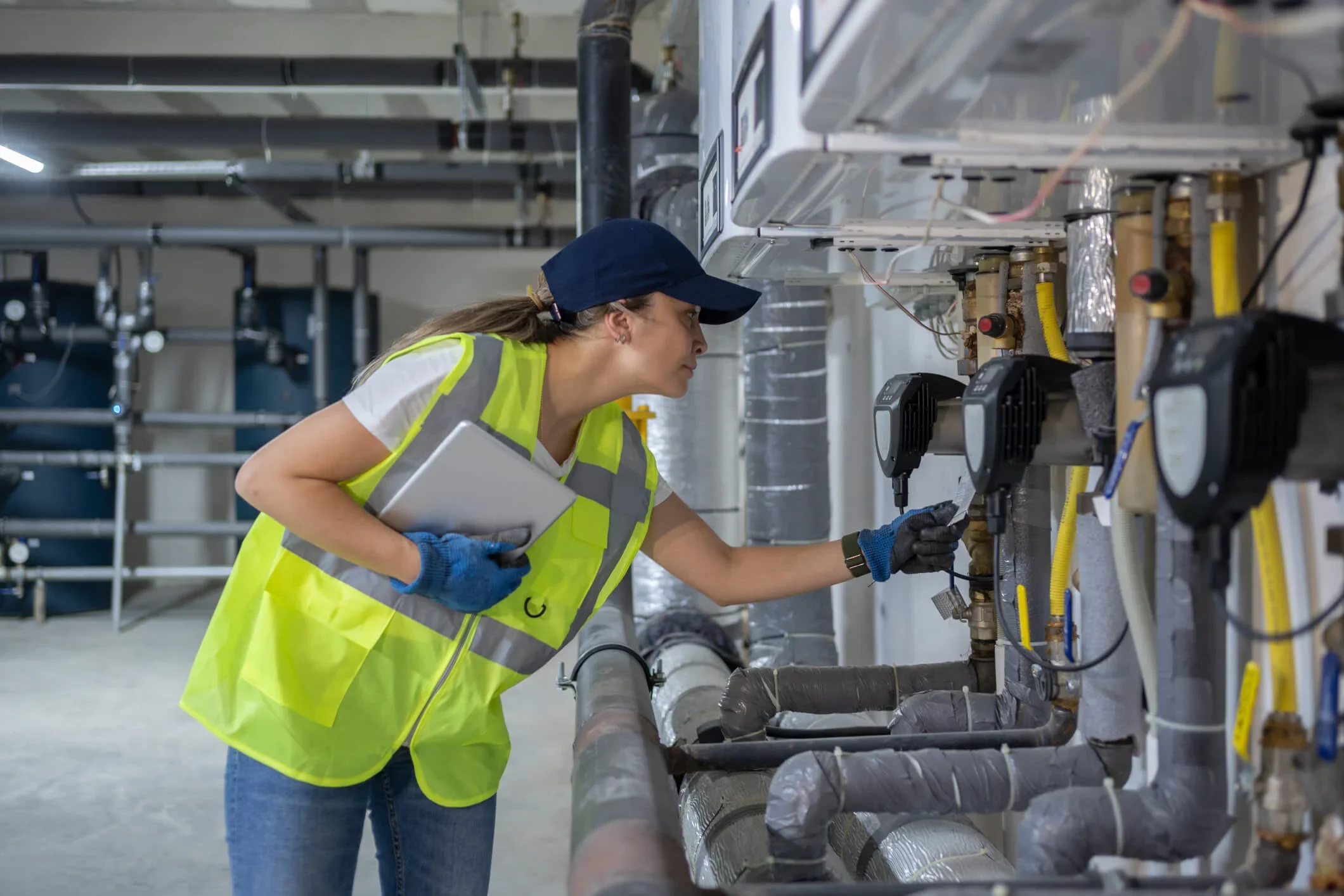
Comparing business energy quotes and fixing your rates is a great way to take control of your bills. It can even help lower your bills compared to what you might pay if you roll onto your supplier's out-of-contract rates. And if you want to save even more money on your energy bills, making your business more energy efficient can help.
There are loads of small changes you can make alongside some bigger ones, all of which can cut costs, help the environment, and maybe even improve the image of your business. What’s not to like?
Here's all you need to know.
What does it mean to be more energy efficient?
Being more energy efficient means using less gas and electricity to perform the same tasks. And using less energy means lower bills, whether you run a shop, restaurant, office, warehouse, manufacturing facility, or anything in between.
As well as saving on business energy bills, improving energy efficiency can boost your reputation and attract customers who value sustainability too.
But how do you improve energy efficiency at your business? Let's take a look at some simple and effective strategies.
How to identify where business energy savings can be made
Before you can make changes, you need to work out where you can save energy. This means evaluating how and when your business uses gas and electricity. The simplest way to do this is to walk through your premises and look at things like:
- Lighting
- Heating and cooling
- Office equipment
- Factory and warehouse equipment (if applicable)
This is a basic business energy audit. It will help you identify areas where energy is being wasted or could be used more efficiently. This can include inefficient lighting, faulty heating systems, or equipment that's running when it's not needed.
If you run an industrial or high energy consumption business, it may be worthwhile to hire a professional to conduct an audit at your premises. You can do this via your business energy supplier or by hiring an independent energy assessor.
If you have a smart meter, the data it provides can help you understand peak usage times and identify patterns of energy consumption throughout the day. This is a good way to identify energy waste.
When running your own energy audit, consider the following to gather more information:
- Look at how you use energy in different parts of the business and at different times of day: Try observing energy usage during different periods, such as when cleaners are on duty, during lunch breaks, or after hours. Doing so will give you a clearer picture of when energy is being used unnecessarily.
- Involve key staff members in the audit: Getting employees involved in the process can help increase awareness and make them feel more accountable for energy-saving practices.
- Use data to set priorities: Once you've identified potential savings, rank them according to their impact and ease of implementation. For example, reducing heating costs by fixing draughts could be a quick win, while switching to LED lighting might take longer but provide larger savings.
How to make your business more energy-efficient
Once you've identified areas for improvement, you can take several steps to make your business more energy-efficient and reduce overall consumption. Here are some practical measures to get started:
- Get your staff involved: Educating staff about energy-saving habits is key. Encourage simple actions, such as turning off lights when not in use, unplugging equipment when it's not needed, and using energy-efficient office equipment. These small changes can add up over time.
- Shut down equipment properly: Don't leave computers, monitors, or other office equipment on standby overnight or over the weekend. Equipment on standby uses around 70% of the energy it would use if fully powered on. Encourage employees to power off equipment when it's not in use.
- Maintain comfortable temperatures: The ideal office temperature is between 16°C and 19°C. You can further optimise energy use by setting heating and cooling systems on timers so that they only operate when needed. Don't forget to turn off the heating over weekends and holidays if your business doesn't operate during those times.
- Get regular boiler services: Boilers and heating systems should be serviced annually to ensure they are operating efficiently. This helps avoid unnecessary energy consumption and the risk of breakdowns, which could lead to costly repairs.
Reduce heat loss and save on business energy
Heating can account for a high proportion of business energy costs, sometimes making up as much as half of a business's total energy consumption. By reducing heat loss, you can significantly cut your energy bills. Here are some ways to cut heat loss in your premises:
- Seal draughts: Identify areas where air is leaking, such as gaps around windows, doors, and vents. Draught-proofing can help keep warm air inside during the colder months.
- Insulate your property: Insulating your building's walls, roof, and floors can help maintain a consistent indoor temperature and reduce the need for excessive heating.
- Maintain heating systems: Regular maintenance of your heating systems ensures they're operating at peak efficiency. This includes checking the radiators, servicing boilers, and inspecting air conditioning units.
Use heating controls and save energy for businesses
As well as keeping the heat in and the cold out, you can avoid wasting energy and money on unnecessary heating by simply using your system's heating controls properly.
- Set heating and cooling systems according to the season: Ensure that you adjust your heating and cooling settings for seasonal changes. For example, in the winter months, set your office temperature to 19°C, and in summer, adjust it to 24°C or higher to avoid overcooling.
- Use timers and thermostats: Installing programmable thermostats allows you to control when your heating is switched on or off. You can also use timers to ensure heating and air conditioning only run when needed.
- Check air conditioning settings: Air conditioning can be one of the highest energy consumers in commercial spaces. Ensure that it is turned off in meeting rooms or storage areas when not in use. Also, ensure that the air conditioning in server rooms is set to the manufacturer's recommended settings.
Install lighting sensors and reduce unnecessary lighting costs
Businesses often waste energy by leaving lights on in areas that don't need constant lighting, such as corridors, storage rooms, or bathrooms. Fitting lighting sensors or motion detectors can automatically switch lights off when a room is empty, ensuring energy isn't wasted.
Another simple tip is to encourage staff to switch off lights before leaving a room or area. This can help reduce lighting costs in your business.
Replace lighting with LED bulbs
Switching to LED bulbs is one of the most effective and affordable ways to reduce electricity consumption. LED lighting uses less energy than traditional incandescent bulbs, lasts longer, and produces less heat, making it a great option for businesses looking to reduce their energy consumption and carbon footprint.
Switching suppliers can also help you secure better commercial energy deals that offer tailored pricing plans, helping you optimise your energy consumption and costs.
Renewable energy technology for businesses
If you can afford to install renewable energy sources at your business, this is another way to reduce energy costs while contributing to a greener environment. You might even be able to make money from any surplus energy you produce. Here are some of the available options:
- Solar panels: Investing in solar power can provide a long-term solution to reducing energy bills. Although there’s an initial outlay to buy and fit solar panels, the energy produced is free and renewable, and once installed, it requires minimal maintenance. Many businesses also qualify for tax incentives and grants to help with the installation cost. You might even be able to make money back through the Smart Export Guarantee.
- Air source heat pumps (ASHPs): These systems use the heat from the air outside to provide heating and hot water for your business. They are ideal for off-grid businesses or buildings with low energy efficiency ratings.
- Ground source heat pumps: These systems absorb heat from the ground to provide energy-efficient heating for larger buildings. They’re particularly useful for businesses located in rural areas.
- Biomass boilers: Biomass systems use renewable organic materials like wood pellets to generate heat for your business. These systems can be a cost-effective and sustainable energy solution.
Although renewables can take time to pay back the money you've invested, using energy-efficient tech alongside sustainable energy practices can help to significantly improve your business’s energy performance and lower your energy costs.
For more information, check out our guides on microgeneration and renewable energy for business.
Compare commercial energy deals for better business energy savings
By focusing on business energy efficiency, implementing energy-saving practices, and comparing commercial energy deals, you can significantly reduce your energy costs and improve your bottom line.
Don't forget that small changes—like switching to LED lighting, managing heating systems, and upgrading office equipment—can all add up over time. With the right strategies and tools, your business can achieve substantial commercial energy savings and help contribute to a greener future.
In addition to implementing energy-saving measures, one of the best ways to reduce your business energy costs is to shop around for the best energy deals.
A commercial energy comparison service can help you identify the best rates from multiple suppliers, ensuring you’re not paying more than necessary. By comparing quotes from a range of business energy suppliers, you can find deals that match your usage patterns and budget, potentially saving your business hundreds of pounds each year.
To get started, chat to an energy expert who can help you compare business energy deals and find the best rates available. Consider investing in renewable energy and smart meters for business to track energy consumption more accurately and make further improvements.
To compare energy for businesses or explore energy-saving solutions, call our energy experts today on 0800 140 4667 and see how much you can save.
Is it time to compare business energy quotes and switch?
Take the hassle out of sorting your next energy deal. We compare from a panel of suppliers. You choose the rates that are right for your business.
By clicking ‘COMPARE TODAYS RATES’ you agree for us to search your current energy supplier and usage though industry held data. Enter manually
Our experts share essential knowledge on business energy







All related guides
View all energy guides
- A complete guide to business energy for offices
- A complete guide to business energy for restaurants
- A complete guide to business energy for shops
- Average business energy consumption - How much does your business use?
- How to get a business energy audit to save money and boost efficiency
- A complete guide to business energy bills
- Business energy brokers – everything you need to know
- What are no standing charge business energy tariffs?
- Business energy efficiency: how to save energy at your business
- Change of Tenancy - Moving business premises and your energy contract
- Commercial property landlord energy advice
- Energy performance certificate for business
- A complete guide to half hourly electricity meters
- How does the energy market affect the cost of your energy bills?
- How switching to energy efficient lighting can save your business money
- How to pay your business energy bills to save money and avoid late fees
- How your business credit score affects your energy deals
- Compare large and industrial business energy prices
- Non-Commodity Costs & TNUoS/DUoS Charges: What Every UK Business Needs to Know in 2026
- Prepayment meters for business: The complete 2025 guide for SMEs
- What are renewable energy certificates and REGOs for small businesses?
- Renewable Energy for Business
- Business Smart Meters: Your Guide to Savings, Installation, and Supplier Comparison
- Commercial solar panel electricity
- The nuclear RAB levy explained: what it means for your business
- A business guide to time-of-use energy tariffs
- Business energy tariffs explained
- Everything you need to know about the Smart Export Guarantee (SEG)
- Compare small business & micro business energy prices
- Compare the cheapest business energy suppliers
- What is the Climate Change Levy?
- Business energy meter installation: Your complete guide
- Multi-site meters and business energy management
- How much is VAT on business energy?
- What happens when your energy supplier goes bust?
- What is a letter of authority (LoA) for business energy?
- What is Market-wide Half-Hourly Settlement (MHHS) and how does it work?
- What is business microgeneration?
How to switch business energy suppliers with MoneySuperMarket
We can switch your business to a better energy deal in three simple steps
1
We find your details
Just enter your business address and we'll use industry data to accurately find and understand your energy usage.
2
We talk through your quotes
One of our UK-based energy experts will search our supplier panel and give you a call to talk through your quotes.
3
You choose the deal you want
With all the information to hand, you choose the deal that best suits your business and we’ll handle the switch for you.
Compare today’s business energy rates
By clicking ‘COMPARE TODAY'S RATES’ you agree for us to search your current energy supplier and usage though industry held data. Enter manually

If you don’t complete the form we may use your details to understand what went wrong or to promote our products or special offers. We may contact you by phone or email.
Contact MoneySuperMarket.com at MoneySuperMarket House, St David's Park, Ewole, Flintshire, CH5 3UZ. © MoneySuperMarket.com Ltd 2013.
Moneysupermarket.com Limited is an appointed representative of Moneysupermarket.com Financial Group Limited ©, which is authorised and regulated by the Financial Services Authority (FSA FRN 303190). Moneysupermarket.com Financial Group Limited, registered in England No. 3157344. Registered Office: Moneysupermarket House, St. David's Park, Ewloe, CH5 3UZ. Telephone 01244 665700.
Important Information
Here's some important information about the services MoneySuperMarket provides. Please read and retain for your own records. About our service


We use cookies to ensure you have the best experience on our website. Cookie Policy